


The Best Locations in Cyprus to Establish Your Business: A Detailed Guide
Coming up with a business idea is only part of the challenge; choosing a strategic location is what could make or break the venture. In this regard, Cyprus, the Mediterranean’s third-largest island, stands out as an exceptional choice for entrepreneurs eager to establish their businesses.
Nestled at the crossroads of Europe, Asia, and Africa, Cyprus offers a strategic location, a business-friendly tax system, and a skilled, English-speaking workforce—creating a compelling environment for both startups and established companies. However, the real key to success lies in selecting the right city within Cyprus, as each one presents unique opportunities and challenges.
This guide delves into the top Cypriot cities for business, examining their strengths and weaknesses, and highlighting which types of companies are best positioned to flourish in each setting.
It will also assist you in navigating the next steps once a location is selected and it’s time to launch your company.
Nicosia: The Capital Hub
Overview
Nicosia, the capital of Cyprus, is the island’s political and administrative center. As the largest city in Cyprus, Nicosia is home to the government, major banks, and a significant number of multinational corporations. It is a vibrant city with a rich history, blending old-world charm with modern amenities.
Pros
- Political and Economic Center: Being the capital, Nicosia hosts the headquarters of many governmental and financial institutions. This proximity to decision-makers can be advantageous for businesses that rely on regulatory support or require frequent interaction with government bodies.
- Business Services: Nicosia offers a wide range of business services, including legal, accounting, and consulting firms, making it easier for companies to find professional support.
- Educational Institutions: The presence of major universities and research centers means access to a well-educated talent pool, particularly in fields such as law, finance, and technology.
- Networking Opportunities: The concentration of multinational corporations and embassies provides ample opportunities for networking and forming strategic partnerships.
Cons
- High Costs: As the capital, Nicosia tends to have higher operating costs, including office rent and salaries, compared to other cities in Cyprus.
- Traffic Congestion: Like many capitals, Nicosia suffers from traffic congestion, which can be a hassle for daily commuting.
- Limited Access to the Sea: Unlike other Cypriot cities, Nicosia is not located on the coast, which may be a disadvantage for businesses reliant on maritime activities.
Best-Suited Businesses
- Financial Services: Banks, investment firms, and insurance companies can benefit from the proximity to regulatory bodies and other financial institutions.
- Consulting and Legal Firms: Access to government agencies and multinational clients makes Nicosia an ideal location for consulting and legal services.
- Technology and Research Firms: The availability of a skilled workforce and collaboration opportunities with universities make Nicosia a good fit for tech startups and research-driven companies.

Limassol: The Business and Financial Hub
Overview
Limassol, located on the southern coast of Cyprus, is often regarded as the island’s business and financial capital. It is the second-largest city in Cyprus and has established itself as a major commercial center, particularly in the maritime, financial, and real estate sectors. Limassol is also known for its vibrant nightlife and cosmopolitan lifestyle.
Pros
- International Business Center: Limassol is home to many international companies, particularly in the shipping, forex, and real estate sectors. The city has a well-developed infrastructure to support global business operations.
- Port and Maritime Services: Limassol has the largest port in Cyprus, making it a critical hub for shipping and maritime-related businesses. The presence of numerous shipping companies and ancillary services is a major advantage.
- Multicultural Environment: With a large expatriate community and numerous international schools, Limassol offers a multicultural environment that is attractive to foreign entrepreneurs and employees.
- Real Estate Opportunities: Limassol’s booming real estate market provides opportunities for property development and investment, driven by demand from both locals and foreigners.
Cons
- High Living Costs: Limassol is one of the most expensive cities in Cyprus, with high property prices and living expenses. This can increase the cost of doing business.
- Seasonal Tourism Impact: The city’s economy is partly influenced by the tourism industry, which can lead to seasonal fluctuations in business activity.
- Traffic and Infrastructure Strain: The rapid growth of Limassol has led to increased traffic and some strain on infrastructure, which may affect daily business operations.
Best-Suited Businesses
- Shipping and Maritime Companies: Limassol’s port and established maritime services make it ideal for shipping companies, logistics providers, and related industries.
- Financial Services: The city’s international business environment is conducive to financial services, particularly forex trading and investment firms.
- Real Estate and Property Development: The thriving real estate market offers opportunities for developers, real estate agencies, and property management companies.
- Tourism and Hospitality: The city’s appeal as a tourist destination supports businesses in the hospitality sector, including hotels, restaurants, and leisure activities.
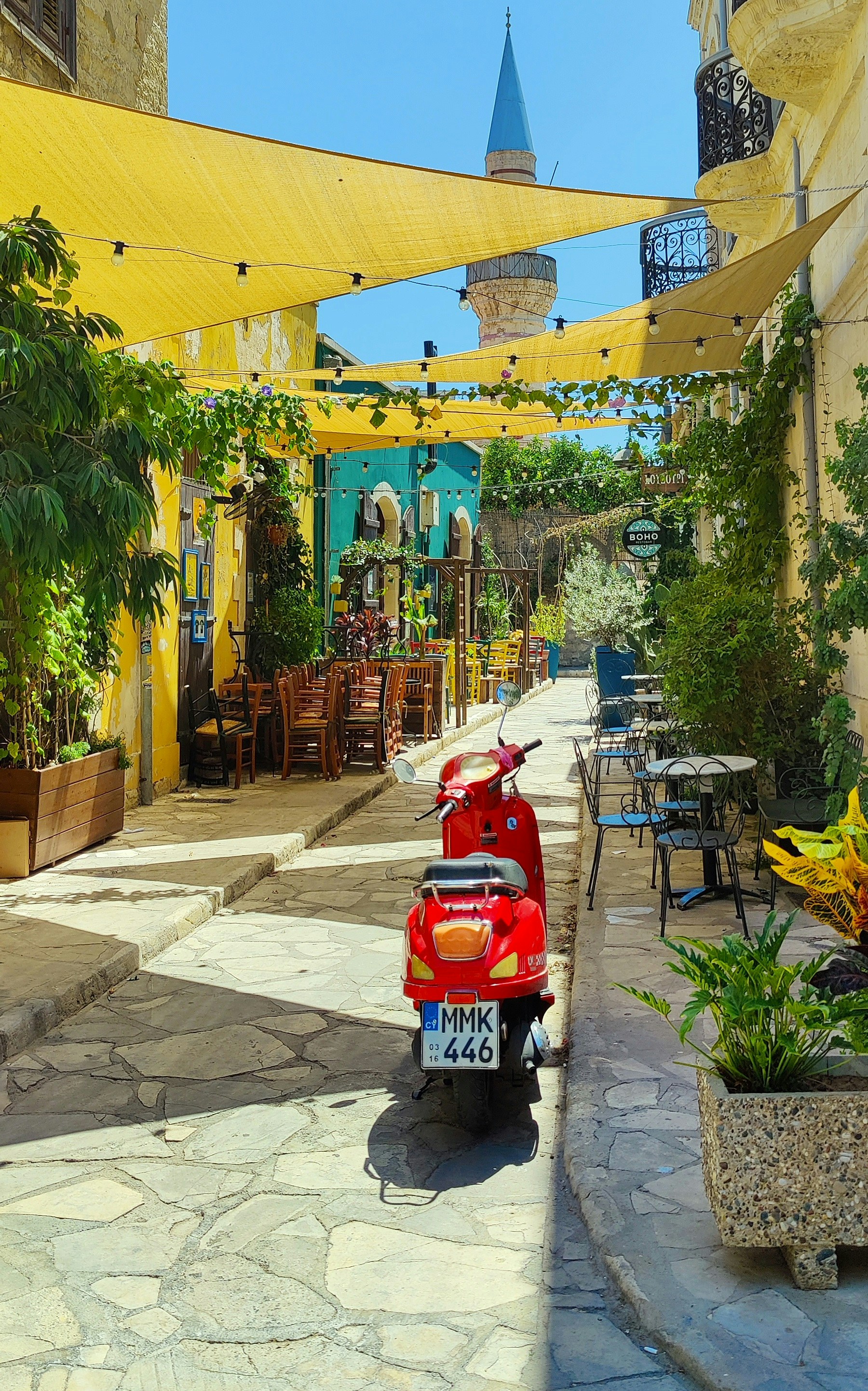
Larnaca: The Gateway to Cyprus
Overview
Larnaca, located on the southeastern coast, is known for its international airport, which is the largest in Cyprus. This makes Larnaca a key gateway to the island, both for tourists and business travelers. The city is also home to a significant port and a growing business community.
Pros
- Strategic Location: Larnaca’s proximity to the airport makes it an ideal location for businesses that require frequent travel or rely on international trade.
- Affordable Living and Operating Costs: Compared to Nicosia and Limassol, Larnaca offers more affordable office space and living costs, making it an attractive option for startups and small businesses.
- Growing Business Community: Larnaca is experiencing growth in sectors such as tourism, real estate, and retail, offering opportunities for new businesses to establish themselves.
- Tourism Potential: The city’s appeal as a tourist destination, with its beaches and cultural sites, supports businesses in the hospitality and retail sectors.
Cons
- Smaller Market: Larnaca has a smaller population and business community compared to Nicosia and Limassol, which may limit networking opportunities and market size.
- Limited Financial Services: While the city is growing, it does not have the same level of financial services infrastructure as Nicosia or Limassol, which may be a drawback for finance-related businesses.
- Tourism Dependency: The local economy is somewhat dependent on tourism, which can be seasonal and subject to fluctuations.
Best-Suited Businesses
- Logistics and Trade: The proximity to the airport and port makes Larnaca an excellent location for logistics companies and businesses involved in import/export activities.
- Tourism and Hospitality: Hotels, restaurants, and travel agencies can benefit from the city’s steady flow of tourists.
- Retail: The growing population and tourism industry create opportunities for retail businesses, particularly those catering to both locals and visitors.
- Startups and Small Businesses: The lower costs of living and operation make Larnaca a good choice for startups looking to minimize expenses while establishing themselves.

Paphos: The Tourist and Cultural Hub
Overview
Paphos, located on the southwestern coast, is known for its rich history, archaeological sites, and status as a UNESCO World Heritage site. It is a popular tourist destination and has a growing expatriate community. Paphos offers a more relaxed lifestyle compared to the larger cities in Cyprus.
Pros
- Tourism Appeal: Paphos is a major tourist destination, attracting visitors year-round. This provides ample opportunities for businesses in the hospitality, leisure, and retail sectors.
- High Quality of Life: Paphos offers a high quality of life with beautiful natural surroundings, making it an attractive place to live and work. This can help attract talent to your business.
- Lower Operating Costs: Compared to Nicosia and Limassol, Paphos has lower property prices and living costs, which can reduce the overall cost of running a business.
- Strong Expat Community: The presence of a large expatriate community provides a ready market for businesses catering to international residents.
Cons
- Limited Business Services: Paphos has fewer business services, such as legal and financial firms, compared to larger cities. This could necessitate traveling to Nicosia or Limassol for certain services.
- Smaller Talent Pool: The city’s smaller population means a more limited talent pool, which could be a challenge for businesses requiring specialized skills.
- Tourism Dependency: Similar to Larnaca, Paphos’s economy is heavily reliant on tourism, which can lead to seasonal business fluctuations.
Best-Suited Businesses
- Tourism and Hospitality: Given Paphos’s status as a tourist hub, businesses in the hospitality sector, such as hotels, restaurants, and tour operators, are well-suited to the city.
- Real Estate: With growing interest from foreign buyers, particularly retirees and expatriates, real estate agencies and property management companies can thrive in Paphos.
- Cultural and Creative Industries: Businesses involved in the arts, crafts, and cultural tourism can leverage the city’s rich history and heritage sites.
- Health and Wellness: Paphos’s appeal as a peaceful, scenic location makes it ideal for health and wellness businesses, such as spas, retreats, and fitness centers.
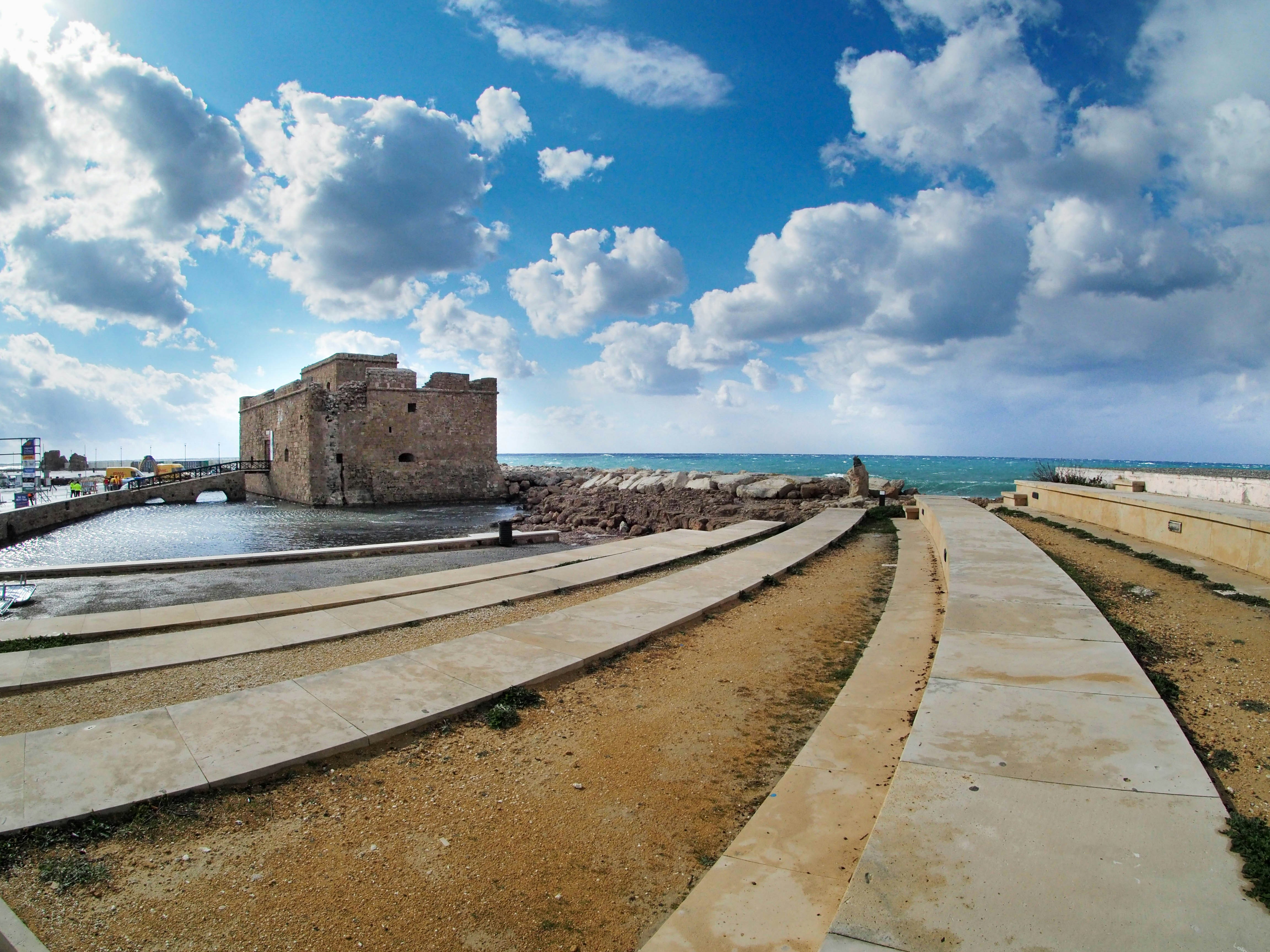
Famagusta: The Emerging Market
Overview
Famagusta, located in the eastern part of Cyprus, is known for its deep-water port and historical significance. The city has seen significant development in recent years, particularly in the tourism and education sectors. While not as developed as other cities, Famagusta offers untapped potential for businesses looking to enter an emerging market.
Pros
- Affordable Property: Famagusta offers some of the most affordable property prices in Cyprus, making it an attractive option for startups and businesses looking to minimize costs.
- Growing Tourism Sector: The city’s beautiful beaches and historical sites are driving growth in the tourism industry, creating opportunities for businesses in this sector.
- Educational Opportunities: Famagusta is home to a major university, which contributes to a youthful population and provides opportunities for businesses targeting students and academics.
Cons
- Limited Infrastructure: Compared to Nicosia or Limassol, Famagusta has less developed infrastructure, which can pose challenges for certain types of businesses.
- Smaller Market Size: The city’s smaller population and less developed business community may limit growth opportunities.
- Political Considerations: Due to its location near the Turkish-controlled northern part of Cyprus, businesses in Famagusta need to be mindful of the political situation, which can affect trade and investment.
Best-Suited Businesses
- Tourism and Hospitality: With its growing tourism industry, Famagusta is ideal for hotels, restaurants, and tourism-related businesses.
- Education Services: Businesses that cater to students, such as bookstores, cafes, and tutoring centers, can thrive in Famagusta.
- Real Estate Development: The affordable property market presents opportunities for real estate developers and investors looking to capitalize on future growth.
Next Steps:
After you Choose the Best Location for your Business
Cyprus. Handling every detail, from registering the business name and officially incorporating the company to managing all other essential registrations, Rideo Group provides a comprehensive service. This includes opening corporate bank accounts and ensuring all legal requirements are fully met and documented. With Rideo Group taking care of the paperwork and administrative tasks, business owners can sit back and relax, focusing entirely on growing their business and achieving success.
Conclusion
Choosing the right location to establish your business in Cyprus depends on a variety of factors, including the nature of your business, budget, and long-term goals. Nicosia offers access to government and financial institutions, making it ideal for legal, financial, and consulting firms. Limassol, with its bustling port and international business community, is best suited for maritime, financial, and real estate companies. Larnaca’s strategic location and lower costs make it a great choice for logistics, tourism, and retail businesses. Paphos, with its focus on tourism and culture, is perfect for hospitality, real estate, and creative industries, while Famagusta offers opportunities in emerging markets, particularly in tourism and education.
By carefully considering the pros and cons of each city, entrepreneurs can make informed decisions that align with their business needs and objectives. Cyprus, with its diverse cities and dynamic economy, provides a fertile ground for businesses to thrive, whether you’re a startup looking to make your mark or an established company seeking new opportunities.
Disclaimer: Although we work hard to deliver accurate and timely information, kindly take note that rules and laws are subject to regular change. It is advised that you speak with our consultants to ensure sure that the information displayed here is accurate and up-to-date.