

Introduction
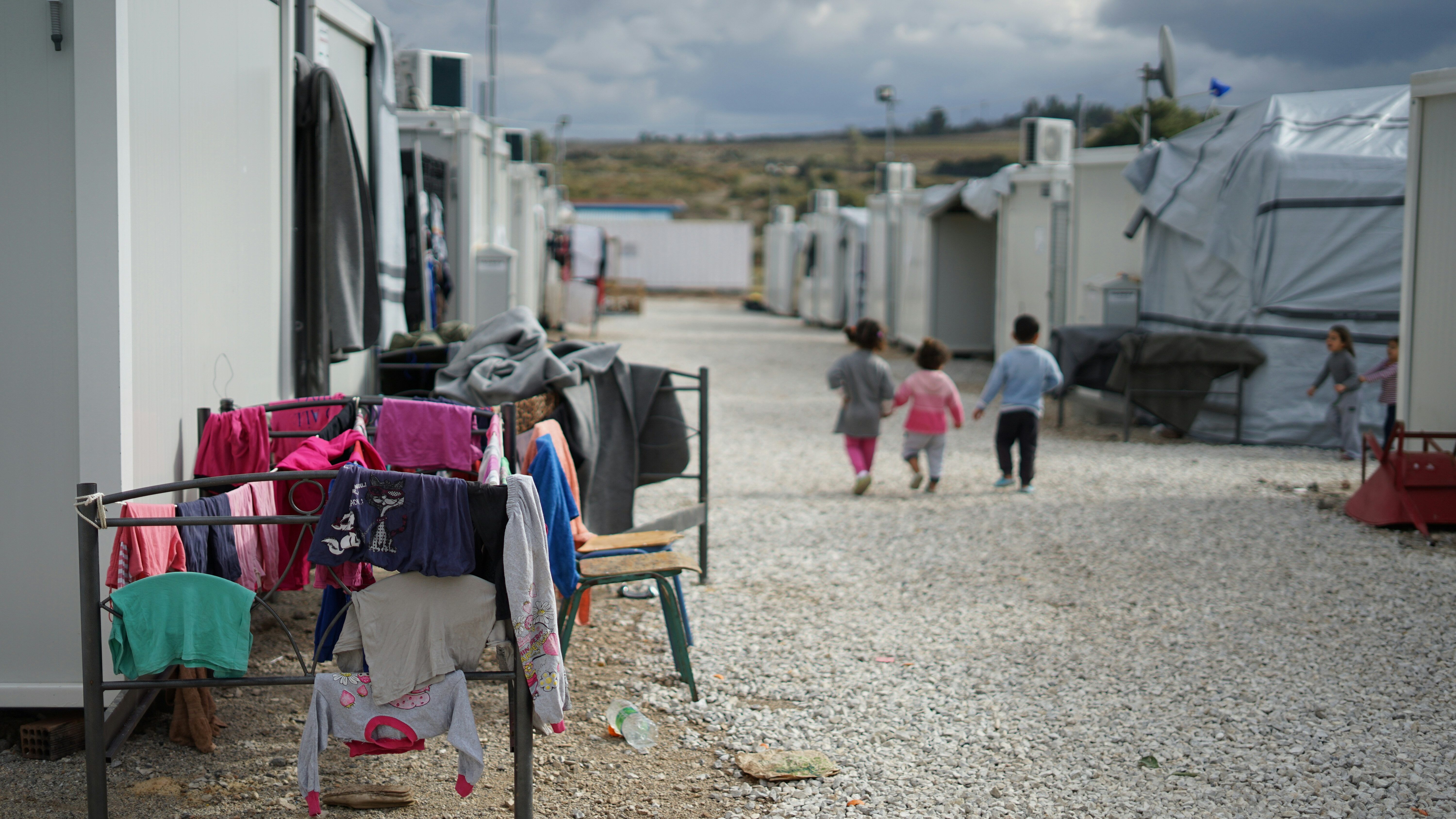
In a world increasingly shaped by geopolitical conflict, persecution, and humanitarian emergencies, the need for international protection has never been more urgent. As a member of the European Union and a country located at the intersection of Europe, Asia, and Africa, Cyprus has become both a destination and a transit point for thousands of asylum seekers hoping to rebuild their lives in safety.
But while seeking asylum is a fundamental right under international and European law, the process is far from simple. Navigating the asylum system in Cyprus can be challenging, emotionally draining, and often misunderstood—both by those applying and the general public.
This guide aims to clarify who is eligible to apply for asylum in Cyprus, how the procedure works, what applicants can expect, and how asylum seekers affect the island socially and politically. We’ll also address common misconceptions, new developments in the system, and how professionals and experts can assist individuals through the process with clarity and care.
Who Can Apply for Asylum in Cyprus?
Asylum is not a blanket solution for anyone facing hardship. It is a legal protection granted to individuals who are genuinely unable to return to their country due to a well-founded fear of persecution or serious harm.
An individual may apply for asylum in Cyprus if they:
- Fear persecution based on race, religion, nationality, political opinion, or membership in a particular social group.
- Are at risk of death, torture, inhuman or degrading treatment, or are fleeing indiscriminate violence in armed conflict zones.
These individuals may be granted either refugee status or subsidiary protection. However, it’s essential to understand that economic migrants, or those seeking better job opportunities or living conditions, do not qualify under Cyprus’ asylum framework.
Also critical: Applying for asylum is not a loophole for individuals whose visa has expired or who simply wish to extend their stay in the Republic. It is a serious legal procedure meant for those whose lives, freedom, and safety are at risk.
The Asylum Procedure in Cyprus
Once an individual arrives in Cyprus—regardless of how—they have the right to lodge an asylum application.
However, it is extremely important to note, that those who have entered the island illegally (i.e. crossing the occupied border), this method of entry does not help their case one bit. If anything, Asylum Services and the Civil Registry frown upon such methods of entry.
This applies whether they are at a border entry point (like an airport or seaport), in detention, or within the Republic.
Step-by-Step Overview:
- Application Submission
The process begins with a formal application to the Asylum Service which is now operating under the Deputy Ministry of Migration and International Protection. Applicants are given a confirmation letter that legalizes their stay while their claim is being processed. - Scheduling an Interview
The applicant is scheduled for an interview with a trained officer. This is the most critical part of the process. Applicants must clearly explain the reasons they fear returning to their home country. Interpreters and/or translators are usually provided if the applicant cannot communicate in English or Greek. - Supporting Documents
Individuals are encouraged to submit evidence, including ID documents, medical records, and proof of threats or persecution. - Assessment and Decision
The Asylum Service reviews the case. If the applicant qualifies:- They may receive refugee status, which grants a renewable three-year residence permit, full access to employment, healthcare, education, and family reunification.
- Alternatively, they may be granted subsidiary protection, with a one-year renewable permit and limited rights, but still protection from return.
If the application is rejected, the applicant has up to 30 days to appeal. During this appeal period, deportation is suspended. If the appeal fails, deportation procedures may follow, unless new evidence or legal circumstances arise.
Recent Changes to Appeal Rights
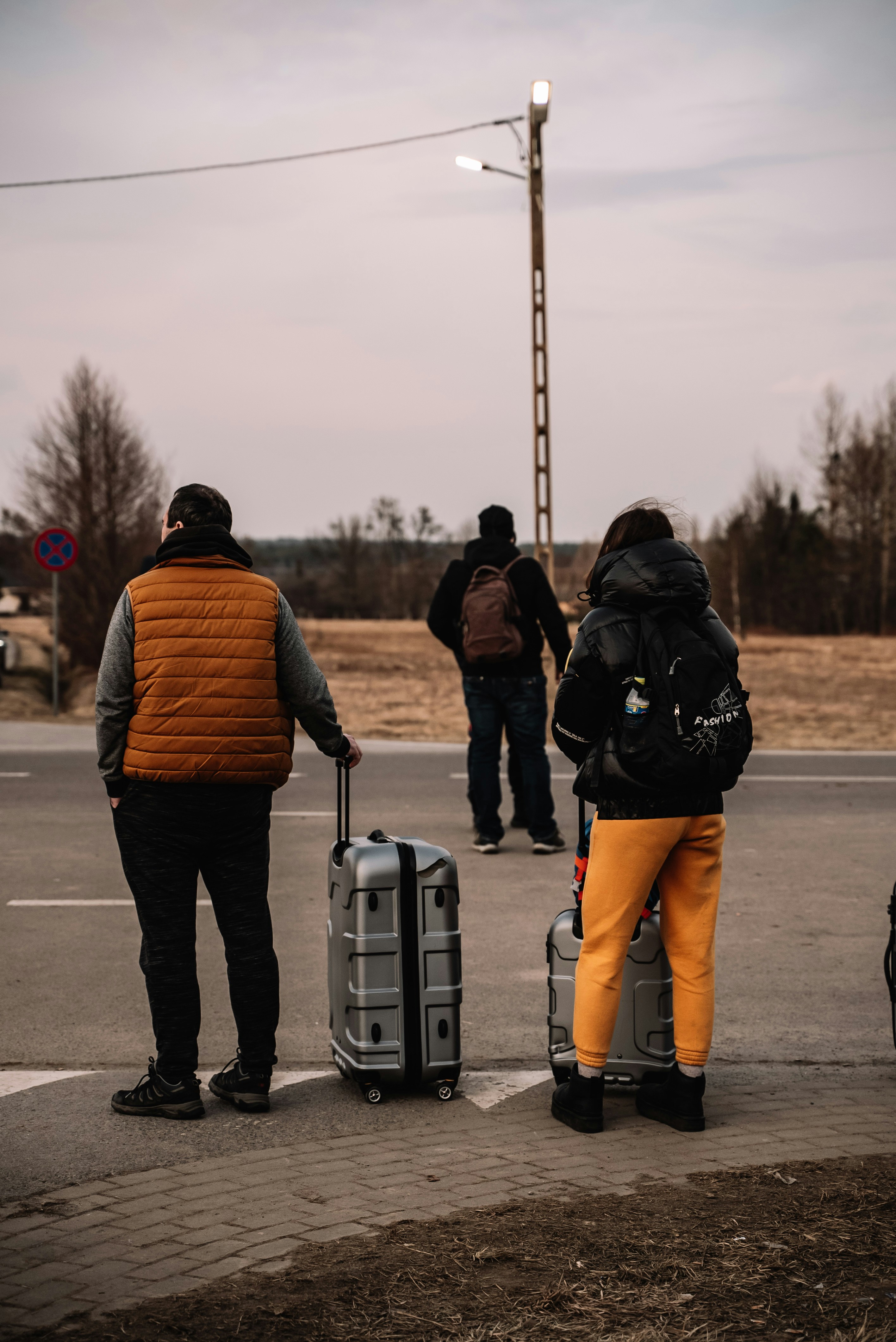
In previous years, asylum seekers in Cyprus could submit multiple appeals after a rejection—it used to be up to three. However, recent legal reforms have limited this to just ONE appeal. This change underscores the need for a well-prepared and documented application from the very beginning. It also highlights the importance of professional guidance through every step.
Processing Time: What to Expect
Cyprus officially aims to process asylum applications within six months, but reality paints a different picture. Due to backlogs, understaffing, and high volume, the process often stretches over a year or more. During this time, asylum seekers may live in reception centers or rented accommodations and have limited access to certain services.
Acceptance and Rejection: The Key Factors
Who Gets Rejected?
Rejections typically occur when:
- The applicant does not meet the legal criteria for refugee or subsidiary protection.
- The applicant gives inconsistent or non-credible testimony.
- The applicant cannot provide sufficient evidence for applying for asylum.
- The person has already passed through a safe third country where they could have applied for asylum.
- The applicant is involved in criminal activity, war crimes, or poses a national security threat.
Many rejections also stem from misunderstandings about what asylum is. It is not meant for those with expired or rejected visas or general hardship—it requires proof of targeted risk.
Who Gets Accepted?
Successful applicants are usually those fleeing:
- War-torn countries.
- Persecution due to religion, ethnicity, gender identity, or political beliefs.
- Gender-based violence or trafficking.
Vulnerable individuals such as unaccompanied minors, or victims of torture, violence, and persecution are given special consideration.
Consequences of Rejection
If rejected and the appeal also fails:
- The person may and will be detained and deported.
- They could apply again only if new evidence is presented.
- Many who are not deported immediately end up living undocumented, facing poverty, exploitation, and inaccessibility to healthcare or employment.
This legal limbo creates challenges for both the individual and the wider society.
Employment Rights for Asylum Seekers
Work rights for asylum seekers are restricted and delayed.
- When? Only after 9 months from the application date can asylum seekers legally work.
- Where? The following sectors are permitted:
- Agriculture
- Cleaning (only for cleaning companies and hotels—not private homes)
- Petrol stations
- Recycling industries
Where Are They Not Allowed to Work?
- Construction
- Retail and hospitality (beyond cleaning)
- Restaurants, bars, and entertainment
- Office-based jobs
- Any sector not explicitly permitted
GESY Contributions Without Access
Asylum seekers who are employed contribute monthly to GESY (Cyprus’ National Health System), through automatic deductions from their salary—just like any legal worker. However, despite these contributions, they are not allowed to use GESY.
Instead, they must rely on public hospitals with lower-quality care and longer waiting times. This gap in service is a frequent topic of concern among human rights organizations.

Professional Training Barriers
According to the Refugee Law, asylum applicants are allowed to take part in vocational training—but only in sectors where they’re legally allowed to work. Unfortunately, in practice, no real training programs are offered in those sectors. This disconnect leaves many asylum seekers in limbo: allowed to work, but untrained and unsupported, often settling for underpaid labor.
Positive and Negative Impact of Asylum on Cyprus
Positive Aspects:
- Labor Market Support: Many asylum seekers are young, able-bodied, and willing to take on work in sectors with labor shortages—such as agriculture and recycling.
- Cultural Enrichment: Asylum seekers contribute to a more diverse society, bringing new languages, food, music, and traditions.
- Humanitarian Compliance: By upholding asylum obligations, Cyprus maintains its international standing and EU responsibilities.
Negative Aspects:
- Pressure on Infrastructure: Housing, healthcare, and education systems, especially in vulnerable areas, are strained.
- Overcrowded Reception Centers: Many facilities operate over capacity, leading to poor living conditions.
- Misinformation and Social Tension: Hostile attitudes grow when the public is misinformed about asylum seekers “stealing jobs” or committing crimes—claims which are largely unfounded.
- Political Sensitivity: Migration is increasingly politicized, often used in election cycles to stir fear rather than foster solutions.
- Illegal Employment: On the other side of the issue, rejected asylum applicants who refuse to leave or evade deportation often end up working illegally. This creates significant challenges for the Labour Office, as it undermines efforts to regulate employment and ensure that eligible individuals are hired through legal channels.
The use of undocumented labor not only disrupts fair employment practices by replacing lawful workers with cheaper, illegal labor but also exposes both the applicant and the employer to legal consequences. Such violations can lead to substantial fines and immediate deportation for the individual involved.
Myths and Misinformation About Asylum in Cyprus
Let’s address some of the most persistent myths surrounding asylum:
- “Asylum seekers are illegal immigrants”
→ False. Seeking asylum is a legal right, regardless of entry method. - “They come to exploit the system”
→ Reality: Support is minimal and often delayed. Most applicants face years of uncertainty and hardship. - “They lie to stay longer”
→ False. Although some do in fact attempt to exploit the system, others have valid fears and traumas. Documentation is hard to obtain when fleeing violence. - “Asylum seekers raise crime rates”
→ Studies show no evidence that asylum seekers contribute to increased crime. - “They can bring their families easily”
→ Family reunification requires strict documentation, long waiting periods, and official approvals.
Types of Protection in Cyprus
- Refugee Status
Granted to individuals meeting the 1951 Refugee Convention criteria. In 2024, Cyprus granted 803 refugee statuses at first instance and 25 on appeal.
- Subsidiary Protection
For those not qualifying as refugees but still at risk of serious harm (torture, war violence, etc.).
- Humanitarian Status
Rarely used, this is granted in exceptional circumstances, often at the discretion of the government.
Asylum Isn’t Easy — But You Don’t Have to Navigate It Alone
At Rideo Group, we specialize in immigration services and have extensive experience guiding individuals through the asylum process in Cyprus. We understand that every case is unique and deeply personal, which is why we take a compassionate, transparent, and informed approach to helping those who may be eligible for international protection.
From helping you prepare your application and supporting documents to advising you on your rights and obligations, we are here to ensure that your case is handled properly, respectfully, and through the correct legal channels. If you believe you may qualify for asylum, our team is ready to support you every step of the way.

Final Thoughts
Cyprus stands at a crossroads—both geographically and morally—in the ongoing global migration crisis. While the asylum process offers hope and safety to thousands, it also places a heavy responsibility on national systems, local communities, and applicants themselves.
At Rideo Group, we believe in treating every applicant with dignity, honesty, and respect. Our team works closely with individuals to help them understand the system, prepare strong applications, and make informed decisions about their future.
Because seeking asylum is not just paperwork—it’s someone’s life.
Disclaimer:
The information in this article reflects the legal framework and practical realities as of 2025. Laws and procedures may evolve. For up-to-date advice tailored to your case, we recommend booking a consultation with Rideo Group’s expert team.