


Civil vs Religious marriage; how could one possibly choose?
Cyprus, renowned for its rich cultural heritage and diverse population, offers couples the option of either civil or religious marriage ceremonies. Understanding the differences between these two options is crucial, as each holds its own set of legalities and considerations.
The article navigates through the legal intricacies associated with each type of marriage, outlining the specific requirements, documentation, and procedures involved. It sheds light on the importance of understanding the legal implications of the chosen marriage type and emphasizes the need for compliance with Cypriot marriage laws to ensure the validity and recognition of the union.
Furthermore, to explore the role of marriage consultants or legal advisors, who can provide essential guidance to couples aiming to navigate these distinctions? They help couples understand the legal implications, assist in preparing necessary documents, and ensure compliance with local regulations, fostering a smoother and legally sound marriage process.

Civil Marriage
A civil marriage in Cyprus is conducted and legally recognized by the state. It involves a ceremony performed by a marriage officer at a municipality office or another authorized venue. This type of union is governed by Cypriot civil law, providing a straightforward, legally binding marriage without any religious affiliations. The legal requirements, documentation, and procedures for a civil marriage are distinct from those of religious ceremonies, offering a more universally accepted form of marriage.
Pros of civil marriage
- Legal Recognition: Civil marriages are legally binding and recognized by the state, providing legal rights and responsibilities to both partners.
- Simplicity and Accessibility: The process for a civil marriage is generally straightforward and accessible, requiring fewer formalities and often less time.
- Universal Recognition: Civil marriages are universally accepted, making it easier for international recognition and often simplifying administrative procedures in different countries.
- Secular Nature: It allows couples of different religious backgrounds or those who prefer a non-religious ceremony to formalize their union.
Cons of civil marriage
- Limited Religious Elements: Civil ceremonies lack religious rituals or blessings, which may be significant for couples seeking a spiritual or traditional aspect to their wedding.
- Cultural or Family Expectations: In some cultures or families, civil marriages may be less socially accepted or carry less cultural significance than religious ceremonies.
- Religious Dissatisfaction: Couples desiring a religious component may find civil marriages less fulfilling in terms of spiritual or traditional values.
For more in-depth information regarding civil marriage, we have curated a full guide for free here.

Religious Marriage
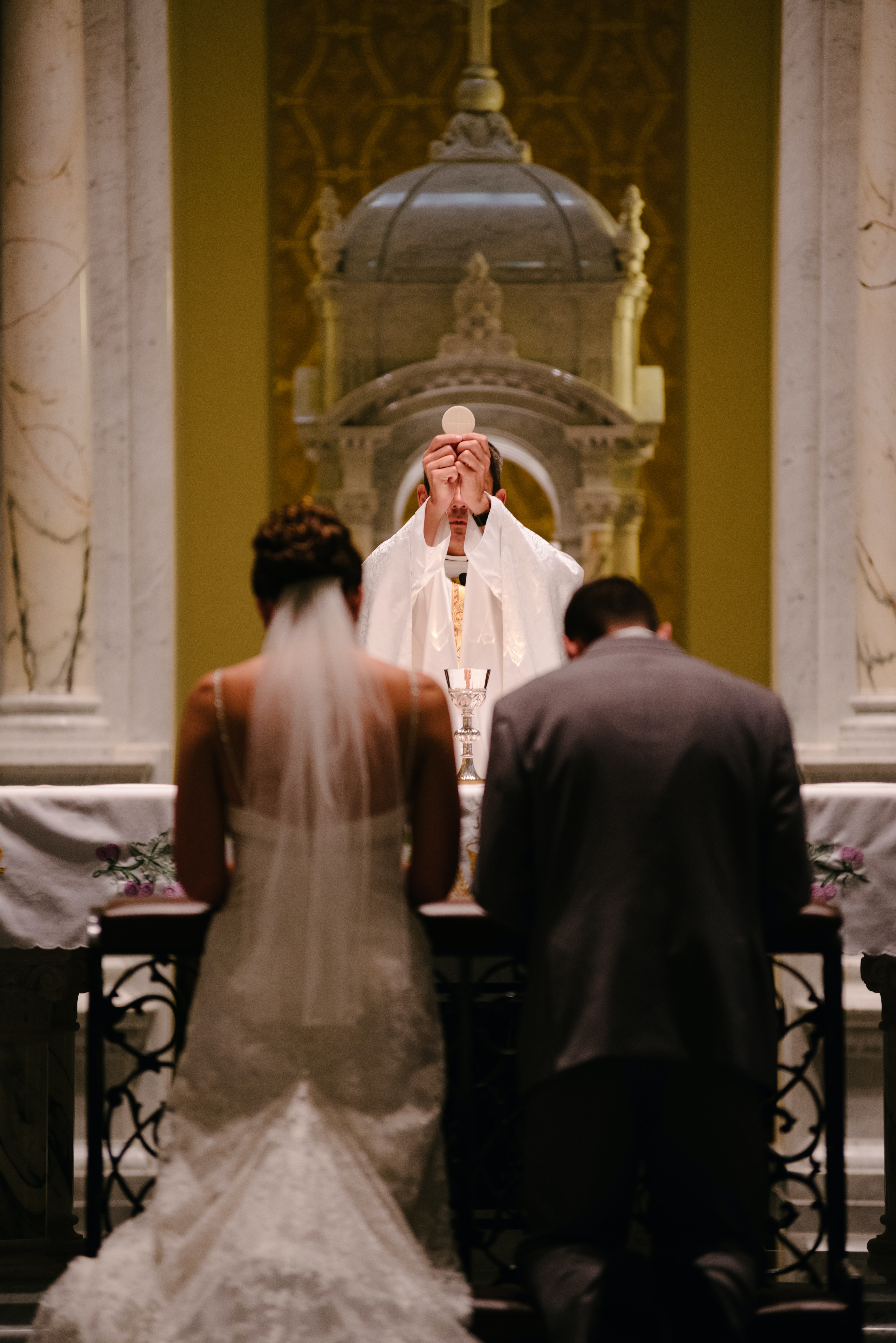
On the other hand, religious marriages in Cyprus are solemnized within the premises of a religious institution, such as a church, mosque, or synagogue, according to the rites and traditions of a particular faith. While these ceremonies often hold deep cultural and spiritual significance for the couple, they do not necessarily carry the same legal weight as civil marriages. Couples opting for a religious marriage must ensure that the ceremony adheres to both religious customs and legal prerequisites to validate their union under Cypriot law.
Pros of religious marriage
- Spiritual Significance: Religious ceremonies hold deep spiritual and cultural significance for couples, often incorporating rituals and blessings from their faith tradition.
- Community and Tradition: Religious weddings often involve the couple’s religious community, fostering a sense of belonging and shared tradition.
- Personal and Emotional Value: For couples with strong religious beliefs, a religious ceremony can provide a deeply meaningful and emotional experience.
Cons of religious marriage
- Legal Formalities: In some cases, additional legal steps might be required to ensure the marriage is legally recognized by the state after the religious ceremony.
- Restrictions: Religious ceremonies might have limitations based on religious affiliations, such as requirements for one or both partners to share the same faith or undergo specific rituals.
- Time and Planning: Planning a religious wedding might be more time-consuming and involve adherence to specific religious traditions and customs.
The Right Choice
The choice between a civil or religious marriage is a multifaceted decision entailing numerous considerations. At its core, it involves the deeply personal aspect of one’s beliefs and values. Couples often weigh their personal convictions, contemplating the spiritual or secular significance they wish to infuse into their union. This introspection extends beyond their individual beliefs, encompassing the fusion of their cultural backgrounds and familial influences, which might sway their inclination towards a specific type of ceremony.
Moreover, legal ramifications play a pivotal role in this deliberation. While civil marriages offer straightforward legal recognition, religious unions might require supplementary legal procedures to ensure compliance with state laws. This legal aspect necessitates a thorough understanding of the marriage’s legal standing and the ensuing rights and responsibilities.

Also, there are 10 financial benefits and prosperities to civil marriage which you can read in more detail here.
Equally crucial is the couple’s yearning for spiritual or traditional elements interwoven into their wedding ceremony. For some, the sanctity of a religious setting, adorned with cherished rituals and blessings, embodies the profoundness of their commitment. Conversely, others find resonance in the simplicity and universality of civil ceremonies, valuing the egalitarianism and lack of religious affiliations.
The decision-making process often involves navigating these interwoven threads of personal beliefs, societal expectations, legal intricacies, and the quest for emotional resonance. Couples embark on a thoughtful journey, deliberating the balance between the legal validity, cultural resonance, and spiritual significance that will define the commencement of their lifelong journey together.
If your inclination is towards a civil marriage, Rideo Group has everything essential covered, ensuring a hassle-free process by taking care of all the paperwork on your behalf. We prioritize making it easy and smooth for you, so you can enjoy the perks of preparing for your marriage and honeymoon in the beautiful island of Cyprus.
Remember, while this overview aims to simplify the process, seeking personalized professional advice is crucial for navigating the intricacies of Cyprus’s marriage laws in ensuring a successful application and avoiding any mistakes revolving paperwork.
Disclaimer: Although we work hard to deliver accurate and timely information, kindly take note that rules and laws are subject to regular change. It is advised that you speak with our consultants to ensure sure that the information displayed here is accurate and up-to-date.