

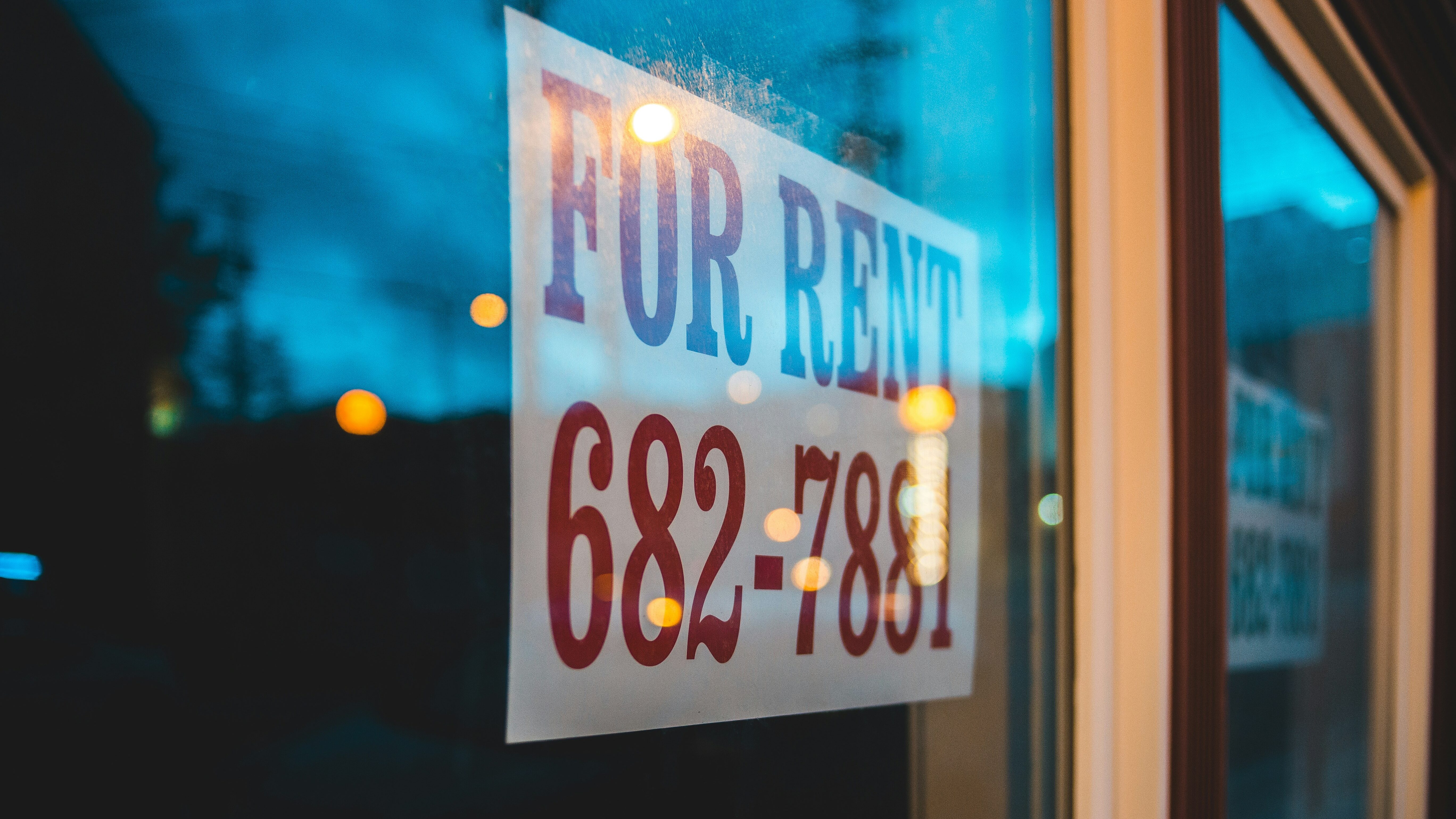
Housing Crisis: Rising Rents, Expats, and the Affordability in Cyprus
Introduction: Why Housing Has Become a Burning Issue in Cyprus
For years, Cyprus has been promoted as a Mediterranean paradise: sunny climate, safe neighborhoods, an EU legal system, and a relaxed lifestyle. But behind the glossy brochures and real estate marketing campaigns, the reality for many Cypriots, migrants, and even international investors is becoming more complicated.
Housing affordability in Cyprus has emerged as one of the most pressing socio-economic issues of the past five years. Rents are climbing, mortgage options remain tight, and property prices continue to rise—particularly in Limassol and Nicosia. Expats relocating for work, digital nomads arriving on visas, and investors targeting Cyprus as a safe EU market have fueled demand. At the same time, locals are being squeezed out of the rental market, unable to keep up with rising costs.
The result? A full-blown housing affordability crisis with wide-reaching social and economic consequences.
This article explores the problem in depth: the causes, the effects on different groups, the government’s response, and the possible future of housing in Cyprus.
Housing Crisis: Rent Inflation Across Cyprus
The Cypriot housing market has always had regional differences, but the gap between cities is widening dramatically.
- Limassol: The island’s financial and shipping hub, where international companies cluster, has seen the sharpest increases. A one-bedroom apartment that rented for €600–€700 in 2017 now commonly exceeds €1,200–€1,400 in 2025. Family apartments in central Limassol can surpass €2,000 per month, rivaling prices in Western Europe.
- Nicosia: The capital city has traditionally been cheaper, but the influx of professionals, students, and public servants has pushed rents upward. A two-bedroom flat that once cost €600–€700 now ranges between €1,000–€1,200.
- Larnaca: Once the “budget” option, Larnaca is undergoing transformation due to airport expansion, new infrastructure projects, and tourism growth. Prices are rising fast, though still cheaper than Limassol.
- Paphos & Famagusta: These regions remain more affordable, but holiday home demand and foreign retirees are increasing property values.

Why Are Prices Rising So Fast?
The rapid rise in housing prices across Cyprus is not caused by a single factor—it’s the result of a complex combination of market pressures, policy gaps, and social trends. Understanding these drivers helps explain why locals, migrants, and even some investors are struggling to navigate the current landscape.
1. Foreign Investment:
Cyprus has long been a magnet for international investors and expats seeking a Mediterranean lifestyle combined with EU residency benefits. British retirees, Russian and Israeli investors, and increasingly digital nomads are purchasing property not only as a home but also as a financial investment. This influx of foreign capital drives up demand, particularly in high-profile areas such as Limassol, Nicosia, and coastal Larnaca, pushing prices beyond what many locals can afford.
2. Tourism Conversions:
The tourism boom has created a strong incentive for landlords to convert long-term rentals into short-term Airbnb-style accommodations. While this generates higher profits, it drastically reduces the stock of available long-term rentals for permanent residents. Cities like Limassol, Paphos, and Larnaca are seeing entire apartment blocks effectively removed from the regular rental market, intensifying competition and forcing tenants to pay significantly higher rents.
3. Population Growth:
Cyprus has experienced steady population growth fueled by both EU and non-EU immigration. New arrivals include skilled professionals, students, and families seeking better opportunities, all competing for the same limited housing stock. Even modest increases in population can have a substantial effect in a small market like Cyprus, where every additional renter adds pressure on already strained neighborhoods.
4. Limited New Construction:
While demand is rising, supply struggles to keep pace. High material costs, labor shortages, and bureaucratic hurdles—such as slow planning approvals and zoning restrictions—delay construction projects. Even when new developments are built, they often cater to higher-end buyers, leaving affordable options scarce. The lag between planning, approval, and completion means the market is perpetually behind, allowing prices to continue climbing unchecked.
5. Speculation:
Property speculation is another major factor. Investors often purchase homes not for immediate rental or personal use but to hold and profit from long-term appreciation. This speculative behavior removes housing from active circulation, exacerbating scarcity and pushing up market values. In turn, locals face the dual challenge of competing against wealthier investors and dealing with inflated rental costs.
The Impact of Digital Nomads and Foreign Investors
Cyprus markets itself as a remote work and investment destination. The Digital Nomad Visa program, combined with residency-by-investment schemes (before reforms tightened them), has attracted thousands of high-earning individuals.
While this injection of foreign capital is beneficial for the economy, it has a double-edged effect:
On the positive side, increased demand has spurred construction projects, creating jobs in real estate, architecture, and related sectors. Local businesses—from furniture stores to utilities, benefit from higher spending by wealthier residents. Government revenue rises through property taxes, registration fees, and income generated from new economic activity, helping fund infrastructure projects and public services.
On the negative side, this trend has accelerated the phenomenon of “housing gentrification.” Landlords in high-demand areas such as Limassol, Nicosia, and Larnaca increasingly target higher-paying foreign tenants, often converting long-term rentals into premium short-term accommodations. This drives locals and low-income residents out of central districts, forcing them to move to the outskirts or less desirable neighborhoods. As a result, commuting times increase, local communities fragment, and long-standing social networks are disrupted.
The result is a form of “housing gentrification” where locals move further out of city centers, increasing commuting times and creating social divides. This double-edged dynamic illustrates that, while attracting digital nomads and investors brings immediate financial gain, it also contributes to housing scarcity, inflated rents, and socio-economic divides that Cyprus must carefully manage.
Struggles of Locals and Migrants
The groups hardest hit by the affordability crisis are not investors or nomads—but locals and lower-income migrants.
- Local Families: Many Cypriots now spend over 40% of their household income on rent, far above EU affordability guidelines. Young couples are delaying marriage and family planning due to unstable housing costs.
- Students: University students in Nicosia and Limassol often compete with professionals for small flats, leading to cramped, overpriced shared housing.
- Migrants: Domestic workers, asylum seekers, and third-country nationals face discrimination and limited options, often ending up in overcrowded or substandard housing.
- Elderly: Pensioners on fixed incomes are being forced out of long-term homes due to rising rents.
This creates not just economic, but social inequality, as housing insecurity spills over into mental health, education outcomes for children, and workforce productivity.
Government Measures: Are They Working?
Cyprus has attempted various housing policies, but results remain limited:
- Subsidies: Housing support for low-income families exists but covers only a fraction of those in need.
- Social Housing: Scarce compared to EU averages; waiting lists are long.
- Urban Development Projects: Delayed by bureaucracy and disputes over zoning.
- Foreign Buyer Regulations: Some reforms introduced, but investors still find legal loopholes.
- Student Housing Projects: Small-scale developments near universities, but insufficient against demand.
Critics argue the government has been reactive instead of proactive, focusing more on attracting foreign investors than protecting local housing rights.
Airbnb and Short-Term Rentals: A Market Distortion
The explosion of short-term rentals has been a major disruptor in Cyprus’ housing market. Property owners often prefer to list on Airbnb or Booking.com rather than commit to long-term leases.
- Tourist Season Surge: From May to October, many apartments are withdrawn from long-term rental supply, leaving locals scrambling.
- Unregulated Boom: While a registry now exists, enforcement is weak.
- Higher Profits for Owners: Landlords can earn double or triple compared to long-term rent.
This “Airbnb effect” reduces supply, inflates prices, and forces locals further away from workplaces and schools.
Legal Issues for Foreigners Renting Property
Foreigners face specific challenges when renting in Cyprus:
- Contracts in Greek: Many leases are only drafted in Greek, making it difficult for non-Greek speakers to fully understand terms.
- Deposits & Guarantees: Landlords often demand two or three months upfront.
- Unregistered Rentals: Some landlords avoid registering contracts to evade taxes, leaving tenants unprotected.
- Disputes: Court delays mean resolving rental conflicts can take months or years.
These legal gaps make renting riskier for expats and create opportunities for exploitation.
Predictions: Will Prices Stabilize or Keep Rising?
The future of the housing market depends on several factors:
- Population Growth: If immigration continues at current levels, demand will remain high.
- Construction: Government efforts to fast-track new housing may ease pressure but will take years.
- Tourism Trends: If Cyprus continues to prioritize short-term rentals, long-term supply will remain constrained.
- EU Regulation: Potential EU pressure on member states to ensure affordable housing could shape Cyprus policy.
Most experts predict continued pressure on rents and prices, especially in Limassol and Nicosia, with smaller cities remaining somewhat more accessible.
Possible Solutions: What Cyprus Can Do
- Expand Social Housing: Build and subsidize affordable housing for vulnerable groups.
- Tax Airbnb Properties: Channel revenue into affordable housing projects.
- Encourage Regional Living: Incentivize living outside major cities with better transport links.
- Digitalize Permits: Speed up construction approvals for housing projects.
- Rent Controls: Consider temporary caps to stabilize runaway increases.
Without bold measures, Cyprus risks deepening social inequality and losing attractiveness for middle-income expats and families.

How Rideo Group Supports Housing and Relocation
At Rideo Group, we understand that finding the right home is one of the biggest challenges for both investors and families moving to Cyprus. That’s why we’ve built partnerships across the island to provide more than just immigration advice.
We have collaborated with a number of developers, real estate companies, and agents across Larnaca, Nicosia, and Limassol to assist both:
- Investors, who are seeking profitable opportunities in Cyprus’ real estate market.
- Families and individuals relocating, who need a suitable home that fits their budget and lifestyle.
But our services don’t stop at property searches. We also provide comprehensive immigration support—from registering newcomers at the immigration office, to securing residence permits, work visas, family reunification, and more. In short, we make the relocation process smooth, legal, and stress-free.
Final Thoughts
The Cypriot housing market is at a crossroads. On one hand, foreign investment, tourism, and digital nomads are bringing new money and opportunities to the island. On the other, locals and low-income workers are struggling to secure basic housing, facing rising rents and shrinking supply.
The crisis is not unsolvable, but it requires coordinated government action, fair regulation of rentals, and investment in social housing. For expats, navigating the market requires not just money, but the right guidance to avoid legal pitfalls and find a stable home.
Housing is more than just a roof—it’s about dignity, stability, and opportunity. Cyprus must find a way to balance growth with fairness, ensuring that both locals and newcomers can build their lives here without being priced out of the market.
Disclaimer:
The information in this article reflects the legal framework and practical realities as of 2025. Laws and procedures may evolve. For up-to-date advice tailored to your case, we recommend booking a consultation with Rideo Group’s expert team.