


Understanding the Division and Ongoing Conflict
Cyprus, a strategically located island in the eastern Mediterranean, has been a focal point of conflict and division for decades. The island, rich in history and culture, is split into two main parts: the Republic of Cyprus, predominantly Greek Cypriot, in the south, and the Turkish Republic of Northern Cyprus (TRNC), recognized only by Turkey, in the north. This division, known as the “Cyprus Problem,” stems from inter-ethnic tensions, colonial history, and geopolitical interests, significantly impacting the island’s political, social, and economic landscape.
The Historical Context of the Cyprus Problem
The roots of the Cyprus Problem can be traced back to the colonial period under British rule, which lasted from 1878 to 1960. During this time, nationalist sentiments grew among both Greek and Turkish Cypriots, leading to conflicting aspirations. Greek Cypriots largely favored Enosis (union with Greece), while Turkish Cypriots leaned towards Taksim (partition of the island). The island gained independence in 1960, but the constitution, designed to balance power between the two communities, failed to maintain peace. Inter-communal violence erupted in the 1960s, leading to the establishment of the United Nations Peacekeeping Force in Cyprus (UNFICYP) in 1964.
The situation escalated dramatically in 1974 when a coup d’état by Greek Cypriot nationalists aimed at Enosis prompted a military intervention by Turkey. Turkish forces occupied the northern third of the island, leading to a de facto division that persists to this day. The UN buffer zone, known as the Green Line, separates the two regions. Numerous attempts at reunification talks have been made over the years, but a lasting solution remains elusive.
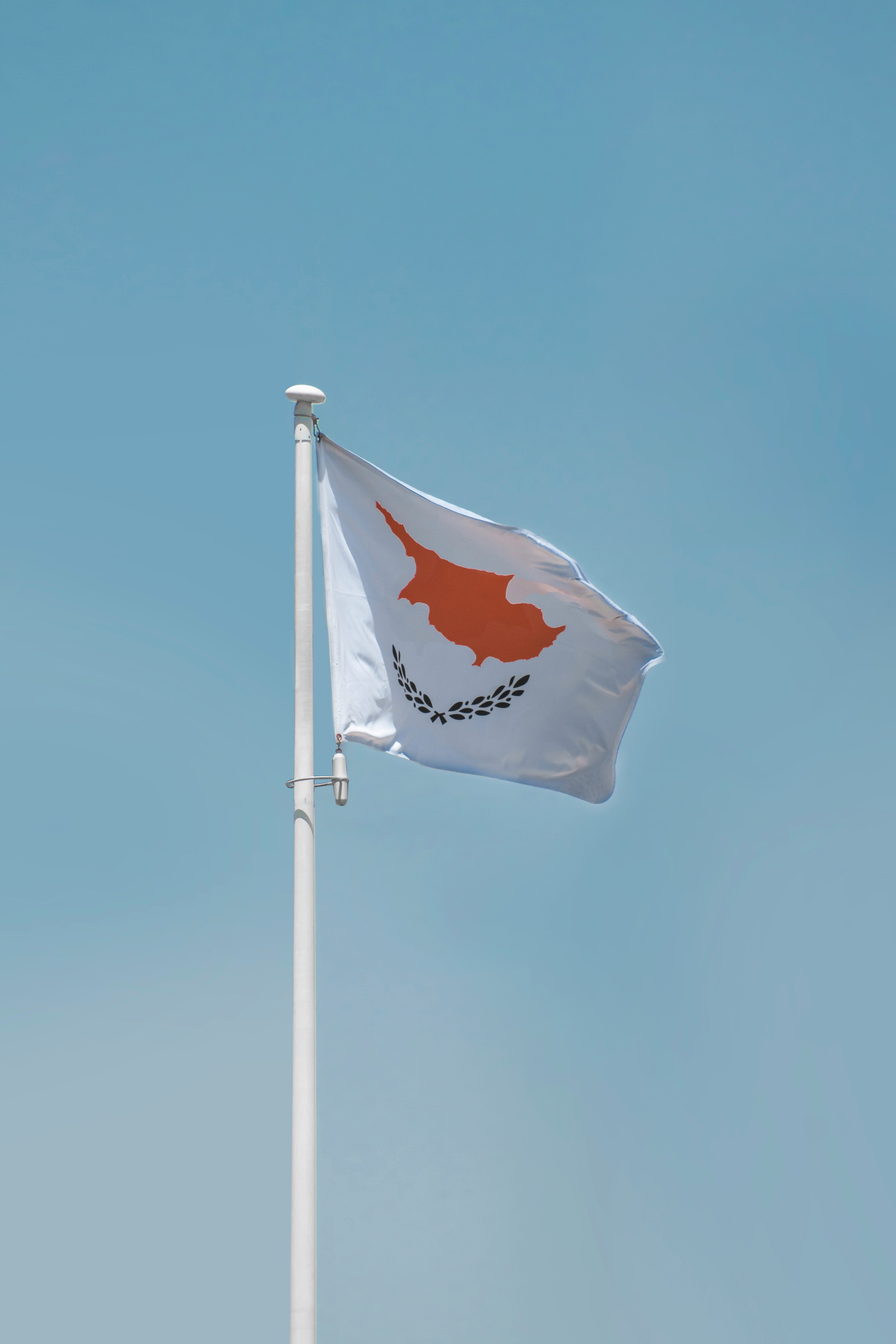
Universities in the North of Cyprus
In the northern part of Cyprus, higher education has become a significant sector, attracting students from various countries. Universities such as Near East University, Eastern Mediterranean University, and Cyprus International University offer a range of programs in English and Turkish. These institutions are known for their modern campuses and diverse student bodies, contributing to the region’s cultural and academic vibrancy.
However, the international recognition of these universities remains a contentious issue. While they provide quality education and numerous opportunities, their degrees are primarily recognized only in Turkey and the Turkish Republic of Northern Cyprus. This lack of broader accreditation poses challenges for graduates seeking employment or further education in Europe or other parts of the world.
Universities in the Republic of Cyprus
The Republic of Cyprus, on the other hand, boasts several prestigious universities that are well-regarded internationally. Institutions such as the University of Cyprus, University of Nicosia (UNIC) and European University Cyprus offer a wide array of undergraduate, postgraduate, and doctoral programs. These universities attract students from across the globe, drawn by their academic reputation, research facilities, and the opportunity to study in an EU member state. Not to mention that the offer a load of internship programs for students, to deck out their CV’s before they even graduate.
Degrees from universities in the south are recognized throughout Europe and many other countries, providing graduates with enhanced career prospects and mobility. The Republic of Cyprus has invested significantly in higher education, making it a hub for international students and researchers.

Challenges for Students Transferring from the North to the Republic
For students in the north wishing to transfer to universities in the south, significant obstacles exist. The primary issue is the lack of accreditation of northern universities by the Republic of Cyprus and other European countries. As a result, degrees earned and/or courses taken in the north are not accepted for further studies or employment in the south. This creates a barrier for students seeking to continue their education or enhance their career opportunities within the EU framework.
Students face bureaucratic challenges and often need to undergo additional evaluations or start their studies afresh in the south. This situation reflects the broader political and administrative divide between the two regions, impacting individuals’ educational and professional aspirations.
A Complex Solution for Students Despite the Cyprus Problem
One viable solution for students from the north who wish to pursue higher education in the south is to leave the Turkish Republic of Northern Cyprus and return to their country of origin. From there, they can reapply to universities in the Republic of Cyprus, entering the country using an entry permit visa. This process, while cumbersome, provides a pathway for students to access accredited higher education and international opportunities.
Students often need to demonstrate their academic credentials and meet the entry requirements of the southern universities. Additionally, they must navigate the visa process, which involves proving their intent to study and their financial means to support themselves. Despite these hurdles, this route offers a way to overcome the accreditation issues and pursue recognized degrees.

Requirements for Applying to Universities in Cyprus
- Completed Application Form: Available on the university’s website.
- Application Fee: Payment of a non-refundable application fee (amount varies by university).
- Academic Transcripts: Official transcripts from previous educational institutions (high school and/or previous university).
- Proof of Graduation: High school diploma or equivalent for undergraduate programs; bachelor’s degree for postgraduate programs.
- Personal Statement/Statement of Purpose: An essay outlining the applicant’s academic interests, goals, and reasons for choosing the program and university.
- Letters of Recommendation: Usually 2-3 letters from teachers, professors, or employers who can attest to the applicant’s qualifications and character.
- English Proficiency Test Scores: For non-native English speakers, proof of proficiency in English through tests such as IELTS, TOEFL, or equivalent (minimum scores vary by university and program).
- Passport Copy: A valid passport for international students.
- Passport-Sized Photos: Usually 2-4 recent photos.
- Curriculum Vitae (CV): For postgraduate applications, detailing academic and professional history.
- Health Certificate: Proof of medical fitness, which may include vaccination records and a general health check-up report.
Additional Requirements for Specific Programs
- Portfolio: For applicants to arts and design programs, a portfolio showcasing previous work.
- Entrance Exams: Some programs may require specific entrance exams or tests related to the field of study (e.g., GMAT for MBA programs).
- Work Experience: For some postgraduate programs, especially MBAs, proof of relevant work experience may be required.
The Broader Implications of the Cyprus Problem on Education
The educational divide between the north and south of Cyprus is a microcosm of the broader Cyprus Problem. It highlights how political and territorial conflicts can extend into various aspects of life, including education. The lack of mutual recognition of academic qualifications not only limits individual opportunities but also perpetuates the division between the two communities.
Efforts to bridge this gap through political dialogue and educational reforms are essential. Creating frameworks for mutual recognition of degrees and facilitating student exchanges could foster greater understanding and cooperation. Such initiatives would benefit not only the students but also contribute to the overall peace and reconciliation process on the island.
FREE Assistance for Students
Rideo Group plays a crucial role in facilitating the transition for students. Rideo Group assists students wishing to study in the Republic of Cyprus, offering their services FREE OF CHARGE. They provide guidance on application procedures, visa requirements, and integration into the new academic environment.
Rideo Group’s support includes helping students compile necessary documentation, prepare for interviews, and find accommodation. By offering these services, Rideo Group reduces the stress and uncertainty that students face, ensuring they have the best possible start in their new academic journey. Their assistance is invaluable for students navigating the complex landscape of higher education in a divided island.
Conclusion
The Cyprus Problem remains one of the longest-standing conflicts in the world, affecting all aspects of life on the island, including education. While universities in both the north and south offer unique opportunities, the lack of mutual recognition of degrees poses significant challenges for students. Solutions such as returning to one’s country of origin and reapplying for southern universities, with the support of organizations like Rideo Group, provide viable paths forward. Addressing these educational barriers is crucial for the future of Cyprus, as it moves towards a more integrated and harmonious society.
Disclaimer: Although we work hard to deliver accurate and timely information, kindly take note that rules and laws are subject to regular change. It is advised that you speak with our consultants to ensure sure that the information displayed here is accurate and up-to-date.