

Cyprus and the Path to Schengen Area: Challenges, Progress, and Prospects
Cyprus is edging closer to joining the Schengen Area, a move that has long been a strategic goal for the island nation. The European Commission has confirmed it is closely monitoring the progress Cyprus is making to fulfill the necessary requirements for accession. European Commissioner for Internal Affairs Magnus Brunner recently stated that an initial evaluation of the situation is already underway, particularly in light of the island’s unique circumstances, such as the presence of a buffer zone.
A Historic Step Toward Integration
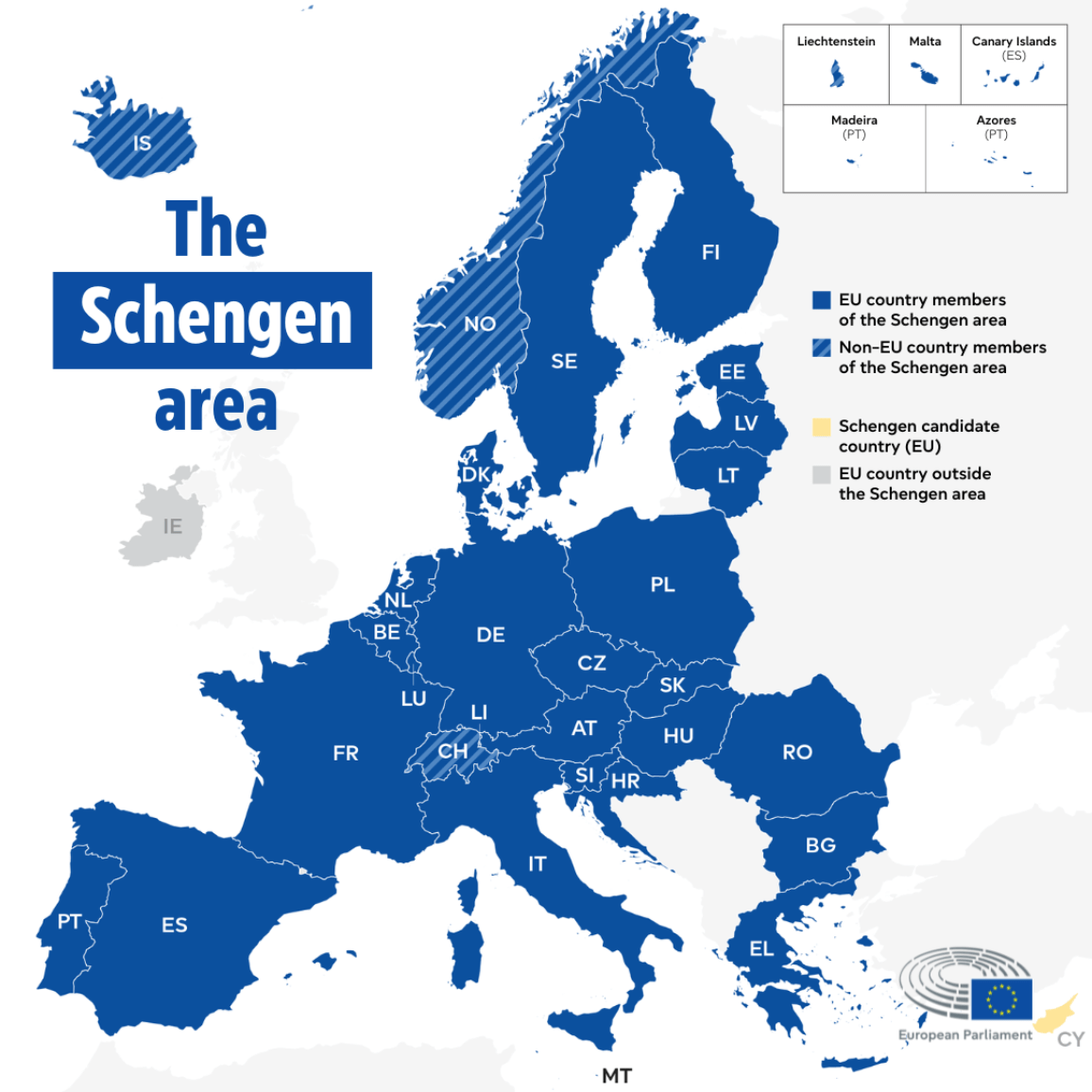
The Schengen Area, established in 1985 and implemented in 1995, allows for passport-free movement between its member countries. What started as a treaty between five of the ten EU member states has grown into a comprehensive framework involving most of the EU, along with several non-EU states like Switzerland, Norway, Iceland, and Liechtenstein. It symbolizes a core pillar of European integration, supporting free movement, economic cooperation, and collective border security.
Over the decades, Schengen has developed into more than just a border-free zone; it is a complex governance system that includes mutual cooperation on law enforcement, visa policies, and migration control. Becoming a part of it means that a candidate country must be fully equipped to manage its external borders, maintain public order and security, and participate in advanced information-sharing systems like the Schengen Information System (SIS).
Cyprus’ Unique Challenge: The Buffer Zone
The island’s situation is unique. Since the Turkish invasion of 1974, Cyprus has been divided into the internationally recognized Republic of Cyprus in the south and the Turkish-controlled north. Between the two lies the United Nations-patrolled buffer zone, also known as the Green Line. This geopolitical reality presents a complex challenge for Cyprus in terms of border management, especially within the context of Schengen.
Cyprus’ former health minister and current Member of the European Parliament, Michalis Hadjipantelas, recently raised the issue in Brussels, asking about the status of Cyprus’ Schengen bid and what assistance the EU might offer, especially concerning the oversight of the buffer zone. In response, the European Commission acknowledged the challenges and reaffirmed its support, emphasizing that a comprehensive evaluation is ongoing.

Financial Support and Infrastructure Development
To assist with the required reforms and infrastructure, the European Union has allocated over €292 million to Cyprus from the 2021 to 2027 programming period. This funding is directed towards bolstering border management, migration oversight, and police cooperation. Specifically, €67.7 million has been set aside for building new reception and pre-departure centers in the Limni area, €30 million for enhancing maritime surveillance, and €9.9 million to reinforce digital security systems, including upgrades to the SIS.
These investments are critical for Cyprus to meet the strict criteria set by the EU for Schengen accession. One of the key principles is that all candidate countries must have fully functional national Schengen governance systems in place before joining. This involves technological readiness, administrative capacity, and legal frameworks that align with Schengen protocols.
The State of Schengen: A Continental Perspective
In its fourth ‘State of Schengen’ report, released recently, the European Commission reflected on the area’s evolution over four decades. The report painted a picture of a system that has matured into a cornerstone of European cooperation, especially in managing external borders and migration. Importantly, it noted a decline in irregular border crossings to 240,000 in the previous year — the lowest since 2021 — largely due to intensified EU efforts.
This broader context underscores how Cyprus’ accession isn’t just a matter of national reform but part of a continental strategy to ensure robust and secure border policies. As enlargement of the Schengen zone continues, the inclusion of Cyprus would represent another step toward a more unified and secure Europe.
Benefits and Challenges of Schengen Area Membership for Cyprus
The potential inclusion of Cyprus in the Schengen Area carries both benefits and challenges. On the positive side, Schengen membership could significantly enhance the island’s tourism and investment sectors. President Nikos Christodoulides has repeatedly highlighted these benefits, noting that easier travel and more streamlined border procedures could attract more visitors and foreign capital.
From an economic standpoint, Schengen membership would likely reduce transaction costs, facilitate trade, and enhance Cyprus’ appeal as a hub for international business. For citizens, it would mean easier access to the rest of Europe for travel, education, and employment.
However, the challenges are equally noteworthy. The transformation of the buffer zone into a Schengen-controlled boundary could heighten political tensions on the island. Currently patrolled by UN peacekeepers, the buffer zone is a sensitive area. Its status under Schengen would necessitate stricter control and surveillance, which could be seen as a hardening of divisions rather than a step toward reunification.
Moreover, increased responsibilities in policing borders and ensuring compliance with EU security protocols would demand significant upgrades in infrastructure, personnel training, and administrative coordination. These obligations could strain national resources and require ongoing support from the EU.
Cyprus Schengen Final Stage: What Lies Ahead
According to President Christodoulides, Cyprus is in the final stage of preparing for Schengen accession. He has indicated that the country could realistically join the area before mid-2026. This timeline aligns with the broader goals of the European Union, particularly following the recent accession of Bulgaria and Romania to the Schengen zone.
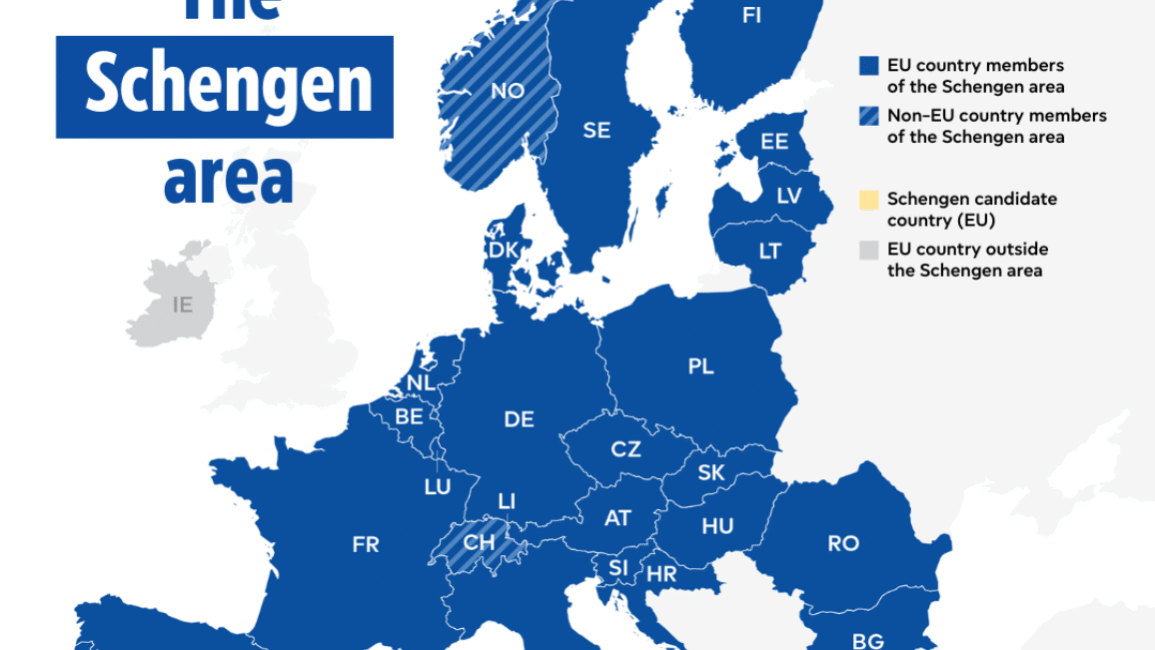
Currently, only Cyprus and Ireland remain outside of Schengen among EU member states. For Ireland, the decision to remain out is linked to its Common Travel Area agreement with the UK. In contrast, Cyprus has expressed a clear desire to join and is actively working toward meeting the benchmarks.
The coming months and years will be pivotal. As the evaluation by the European Commission progresses, Cyprus must demonstrate its capacity to manage external borders effectively, maintain internal security, and align with Schengen norms. Success would not only mark a milestone for the country but also contribute to the broader EU objective of a fully integrated and secure continental space.
Conclusion: A Strategic Milestone on the Horizon
Cyprus’ aspiration to join the Schengen Area is about more than just lifting border controls — it’s a declaration of its commitment to European unity, security, and shared prosperity. The road to Schengen is complex, especially given the political and geographic nuances of the island. Yet with strategic investments, robust partnerships with EU institutions, and a clear vision, Cyprus appears closer than ever to achieving this long-standing goal.
In doing so, it will not only bolster its own national interests but also strengthen the Schengen system and the European Union as a whole. Whether the timeline proposed holds true will depend on how Cyprus continues to navigate the intricacies of reform, diplomacy, and cooperation in the years to come.
Rideo Group will keep a close eye on updates, as we can turn Cyprus into an even more attractive hub when the island becomes part of the Schengen Area.
Disclaimer: While we thrive to provide accurate and up-to-date information, kindly note that regulations and laws may undergo periodic changes. We recommend consulting our consultants to ensure the accuracy of the information presented here.