

Introduction:
Obtaining a visitor visa, also knowns as a temporary residence visa in the Republic of Cyprus for various purposes, such as holidays, sightseeing, or exploring the prospect of dwelling, necessitates a thorough comprehension of the Aliens and Immigration Regulation 14.
Many people are excited about the idea of exploring Cyprus’s gorgeous landscapes, rich history, and vibrant culture. The way to this Mediterranean sanctuary, however, requires navigating the complex web of procedures and policies governing the acquisition of a visitor’s visa. We will delve into the complexity of the application process, examining the categories of eligible individuals, entry methods, documentation requirements, associated fees, and validity duration, to make the procedure as seamless as possible.
Untangling the complexities of obtaining a visitor’s visa in Cyprus is more than simply a bureaucratic requirement; it is the key to unlocking the doors to a wonderful and legally compliant trip on the island.

Categories of Visitors Visa:
Like many other nations, the Republic of Cyprus has established a thorough system of legislation and procedures governing the issuing and renewal of visitor’s temporary residency permits. These visas are intended for third-country nationals who wish to enter the Republic for a variety of reasons, ranging from vacation and sightseeing to studying the prospect of relocating to the country. These permits, however, come with certain terms, conditions, and restrictions, with holders being severely forbidden from engaging in economic activities, or better known as work.
There exists different types of temporary visitor’s permit for third-country nationals with eligibility, entry procedures, application process, and more playing a vital role. However, let’s first list the different types of Visitor’s visas:
- Visitor- Autonomous visitor permit
- Visitor – Dependent Spouse Visitor
- Visitor – Dependent Minor Child of Visitor
- Visitor – Priest, Monk/Nun of the Orthodox Church or of the Churches of Religious Minorities in the Republic of Cyprus
- Visitor – Dependent Adult Family Member of a third-country national with Immigration Permit (direct ascendant/direct descendent)
- Dependent Partner of a Cypriot citizen with a duly proven permanent relationship for the purpose of marriage.
For each category, the specific temporary residence permit is issued for three months, except for certain cases like priests/monks/nuns of the Orthodox Church or churches of other religious minorities, where the permit can be extended to three years with relevant church requests and supporting documents.

Entry into the Republic:
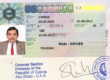
The journey into the Republic of Cyprus commences with a careful and lawful entry process, ensuring that visitors adhere to the established regulations. Access to the country is granted through designated legal entry points, where individuals must present a Visa issued by the Republic’s Consular Authorities. This critical document serves as a gateway, authorizing entry into the country and initiating the exploration of its wonders.
Alongside the Visa, a valid travel document is a prerequisite, emphasizing the importance of proper identification for a seamless entry experience. However, the process doesn’t end here. A crucial aspect of the visitor’s stay in Cyprus involves foresight and proactive measures. Before the expiration of the Visa, individuals are required to initiate the application process for a temporary residence permit.
This step marks a transition from a short-term visit to a more sustained presence, necessitating a deeper engagement with the administrative procedures outlined in the Aliens and Immigration Regulation 14. It is through this careful and timely application for a temporary residence permit that visitors can extend their stay and immerse themselves in the multifaceted experiences Cyprus has to offer.
Procedure for Applications:
The application process for the acquisition or renewal of a residence permit involves submitting an application (MVIS).
accompanied by the necessary supporting documents. All supporting documents must be officially translated and duly certified. Applications are submitted at designated application submission offices, and applicants may need to check if an appointment is required.
During the application submission, the necessary fees, which include the issuance or renewal of a residence permit (€70) and registration in the Aliens’ Register (€70), must be paid. A first registration in the Aliens Registry is made for those without previous registration, and an Alien Registration Card (ARC) is issued.
Biometric data, including a photo and fingerprints, are captured during the issuance or renewal of the temporary residence permit. For applicants below six years of age, only a photo is captured. If the application is approved, the applicant receives a letter on how to collect their residence permit. In case of rejection, a letter explaining the rejection reasons is issued.

Fees:
The fees associated with the residence permit process include €70 for the issuance or renewal of a residence permit and an additional €70 for registration in the Aliens’ Register. These fees are essential for the processing of applications and maintaining accurate records in the Aliens Registry.
Application Examination Time:
The application examination time is usually completed before four months, provided that the submitted information and documents are sufficient. This emphasizes the importance of thorough and accurate documentation to ensure a timely processing of the residence permit application.
However, having an immigration consultant may speed up the process and ensure no mistakes were made throughout any part of the process.
Duration of Validity of the Residence Permit:
Visitors are granted an initial temporary residence permit of one year, except for certain categories where the permit can be extended to three years. Notably, residence permits issued for the purpose of marriage with a Cypriot citizen are valid for only three months to facilitate the marriage.
If the passport of the applicant expires sooner, the residence permit is issued with a validity of three months before the passport’s expiry date. For dependents (wives, children, or direct ascendants), the residence permit is issued up to the validity of the dependent’s permit, provided the third-country national’s travel document is valid within the specified time constraints.

Renewal of Permit:
Temporary residence permits are renewable, provided that the relevant criteria are met. This renewal process ensures that visitors who wish to extend their stay in the Republic can do so by complying with the stipulated conditions and requirements.
Conclusion:
The issuance and renewal of visitor’s temporary residence permits in the Republic of Cyprus involve a comprehensive set of regulations and procedures aimed at accommodating the diverse needs of third-country nationals. From specific categories of eligible individuals to the entry process, application requirements, fees, and the duration of validity, the system is designed to maintain a balance between facilitating legitimate visits and protecting the country’s interests.
Understanding these regulations is crucial for anyone planning to visit or reside in Cyprus, as compliance with the established procedures ensures a smooth and legal transition. Rideo group wishes to equip you with the essential knowledge and steps required to embark on this paper work filled journey to Cyprus.
We take great satisfaction in having a committed group of specialists ready to manage all the complex criteria mentioned above. Entrusting us with the task of managing the entire process provides not just rigorous attention to detail but also accurate document filing, quick submissions, and all other necessary guidance you may need.
Disclaimer: Although we work hard to deliver accurate and timely information, kindly take note that rules and laws are subject to regular change. It is advised that you speak with our consultants to ensure sure that the information displayed here is accurate and up-to-date.