


The End of Passport Stamping: Embracing the EU’s Automated Entry/Exit System
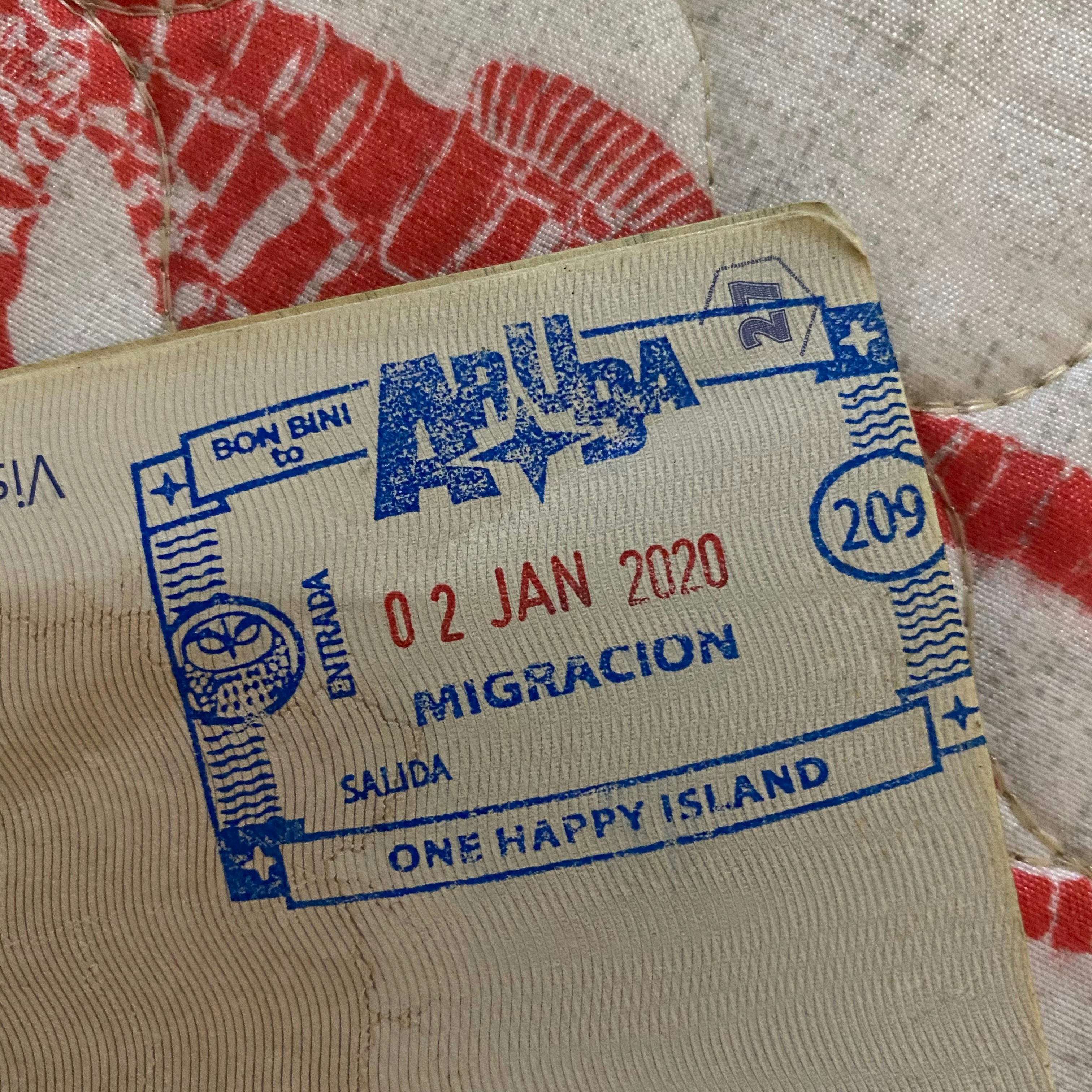
Passport stamps, once cherished as keepsakes and badges of honor for globetrotters, are poised to become relics of the past. These inked imprints, which travellers eagerly collected to mark their journeys, represent a nostalgic paper trail of international adventures. However, as the European Union (EU) moves forward with technological advancements in border control, the manual stamping of passports will soon be phased out when entering the Schengen Area.
The new automated Entry/Exit System (EES), slated to launch on November 10, 2024, aims to revolutionize how non-EU visitors are registered at EU borders. The EES will replace the traditional manual passport stamping process, offering a more efficient and secure method of tracking border crossings and detecting overstayers.
This shift signifies a major step towards modernizing immigration procedures, but it also raises questions about the implications for travelers and the tourism industry.
Understanding the EU Entry/Exit System (EES)
The EES is an advanced IT system designed to register travelers from third countries who are either visa-exempt or hold short-stay visas. Each time a person crosses an external border of the EU, the system will digitally record their name, travel document type, biometric data (such as fingerprints and facial images), and the date and location of their entry and exit. Additionally, the system will log any refusals of entry, ensuring a comprehensive record of all non-EU visitor movements.
One of the key objectives of the EES is to enhance security across the Schengen Area, a zone comprising 27 European countries that have abolished internal borders for free and unrestricted movement of people. By automating border control checks and implementing self-service systems, the EES is expected to reduce waiting times for travelers, streamline border management, and provide reliable data on border crossings.
The European Commission’s department for Migration and Home Affairs underscores the importance of this transition. “EES will replace the current system of manual stamping of passports, which is time-consuming, does not provide reliable data on border crossings, and does not allow a systematic detection of overstayers,” reads a statement from the department. The introduction of the EES is part of the EU’s broader strategy to modernize its border management, enhance security, and address the challenges posed by increasing global mobility.

How the EES Will Impact Travelers
The shift from manual passport stamping to the EES will bring both positive and negative impacts on travelers. On the positive side, the automation of border checks is expected to significantly speed up the entry and exit process, reducing long queues and minimizing the time spent at border control points. This is particularly beneficial for frequent travelers, who will no longer have to endure the repetitive task of getting their passports stamped each time they enter or exit the Schengen Area.
Moreover, the EES will enhance security by providing a more accurate and comprehensive record of travelers’ movements. The system’s biometric data collection will make it harder for individuals to use fraudulent documents or assume false identities, thereby reducing the risk of illegal immigration and other security threats. The EES will also facilitate the identification and detection of overstayers—individuals who remain in the Schengen Area beyond their authorized stay—ensuring that immigration rules are enforced more effectively.
However, the transition to the EES may also present some challenges. The initial implementation phase could lead to teething problems, as airlines, border authorities, and travelers adjust to the new system. Some countries and industry stakeholders have expressed concerns about the lack of preparedness, which could result in delays, confusion, and technical glitches during the early stages of the EES’s operation.
Additionally, the elimination of passport stamps may disappoint some travelers who cherish these imprints as tangible mementos of their journeys. For many, the act of receiving a passport stamp is a small but meaningful ritual that adds a sense of accomplishment and nostalgia to their travel experiences. The transition to a digital system may feel impersonal and could diminish the traditional allure of international travel.
Post-Brexit Travel: The Role of Passport Stamping
The importance of passport stamps has become particularly evident in the post-Brexit era. Following the United Kingdom’s departure from the EU, British travelers are no longer subject to the free movement rules that previously allowed them unrestricted access to the Schengen Area. Instead, they are now subject to the same visa-free travel rules as other non-EU nationals, which limit their stay to 90 days within a 180-day period.
As a result, passport stamps have taken on a new significance for British travelers. These stamps serve as proof of their entry and exit dates, helping them track their time spent in the Schengen Area and avoid overstaying the 90-day limit. This is particularly important for travelers who make frequent trips to Europe, as exceeding the allowed stay could result in fines, deportation, or future entry bans.
Until the EES is fully operational, British travelers are advised to ensure that their passports are stamped correctly when entering and exiting the Schengen Area. Failure to obtain a passport stamp could lead to difficulties in proving that they have complied with the visa-free travel rules. However, once the EES is launched, the need for physical passport stamps will be eliminated, as the system will automatically record and track travelers’ movements digitally.
The Introduction of the European Travel Information and Authorization System (ETIAS)
In conjunction with the EES, the EU is also introducing the European Travel Information and Authorization System (ETIAS), which is expected to launch in phases once the EES is operational. ETIAS is an electronic travel authorization system that will be required for all visa-exempt travelers seeking to enter the Schengen Area. Similar to the U.S. Electronic System for Travel Authorization (ESTA), ETIAS will require travelers to apply for authorization online before their trip, providing information about their identity, travel plans, and background.
The introduction of ETIAS represents another layer of security designed to complement the EES. By pre-screening travelers before they arrive at the border, ETIAS aims to identify potential security risks and prevent individuals who pose a threat from entering the Schengen Area. The system will also help streamline the border control process by allowing authorized travelers to pass through more quickly, reducing the workload for border officers and improving the overall efficiency of border management.
Potential Positive and Negative Impacts on Travelers
The EES and ETIAS systems are poised to bring significant changes to the way travellers enter and exit the Schengen Area, with both positive and negative implications.
Positive Impacts:
- Increased Efficiency: The automation of border checks through the EES is expected to reduce waiting times and streamline the border control process. Travellers will no longer need to present their passports for manual stamping, which will expedite their entry and exit.
- Enhanced Security: The use of biometric data and the digital recording of border crossings will make it easier to detect and prevent illegal immigration, identity fraud, and other security threats. This will contribute to a safer and more secure travel environment within the Schengen Area.
- Accurate Tracking of Stay Duration: The EES will provide a reliable and systematic method for tracking the duration of travellers’ stays in the Schengen Area, helping to ensure compliance with visa-free travel rules and reducing the risk of overstaying.
Negative Impacts:
- Technical Challenges: The initial implementation of the EES may encounter technical difficulties, leading to potential delays and disruptions at border control points. Travelers may experience longer wait times and confusion as they adjust to the new system.
- Loss of Traditional Travel Rituals: The phasing out of passport stamps may disappoint travelers who enjoy collecting these tangible mementos as souvenirs of their journeys. The shift to a digital system may feel less personal and could diminish the nostalgic value of international travel.
- Increased Pre-Travel Requirements: The introduction of ETIAS will add an extra step to the travel process for visa-exempt travelers, who will need to apply for authorization online before their trip. This could be seen as an additional hassle for those who are accustomed to traveling without such requirements.

Navigating the Complexities of Immigration and Travel
As immigration procedures continue to evolve with the introduction of systems like the EES and ETIAS, travelers may find it increasingly challenging to navigate the complexities of international travel. This is where Rideo Group, can provide invaluable assistance.
Rideo Group specializes in guiding individuals and businesses through all aspects of immigration and travel, offering expert advice and support to ensure compliance with the latest regulations. Whether you’re a frequent traveler concerned about the impact of the EES on your journeys, or a business owner looking to manage employee travel to the Cyprus, Rideo Group can help you navigate these changes with confidence.
Our team of experienced consultants is well-versed in the intricacies of immigration systems, ensuring that you are fully prepared for the new requirements. We provide personalized guidance tailored to your specific needs, helping you understand the implications of these changes and avoid any potential pitfalls.
Conclusion
As we bid farewell to the era of passport stamps, it’s essential to stay informed and prepared for the new procedures that will govern international travel. Whether you’re excited about the benefits of automation or nostalgic for the traditional rituals of travel, the transition to the EES represents a new chapter in the evolving story of global mobility. With the right guidance and support, travelers can embrace these changes and continue to explore the world with confidence and ease.
Disclaimer: Although we work hard to deliver accurate and timely information, kindly take note that rules and laws are subject to regular change. It is advised that you speak with our consultants to ensure sure that the information displayed here is accurate and up-to-date.