


Cyprus labor relations between employees and employers are regulated by the law and are compulsory to follow.
Any employer can offer a better work conditions but not less than required by law.
Employees must be informed about all regulations, terms and conditions, working hours…etc. within 7 days of the first working day.
Although it is not required by law, employment agreements in Cyprus are outlined in written employment contracts. The indefinite contract and the fixed-term contract are the two distinct categories of employment contracts.
The primary sources of employment law in Cyprus, which regulates job conditions, benefits, and health and safety standards, are national legalization and collective agreements. Depending on the sector and industry, different conditions are applied.
Both the employer and the employee are protected by Cyprus’ labor laws. The local labor legislation, workplace negotiations and agreements, employment regulations and business practices, the national Constitution, international laws with the EU, local labor law, and finally the specific employment contract establish the work relationship and its terms in a hierarchical manner.

Cyprus Employment Contracts
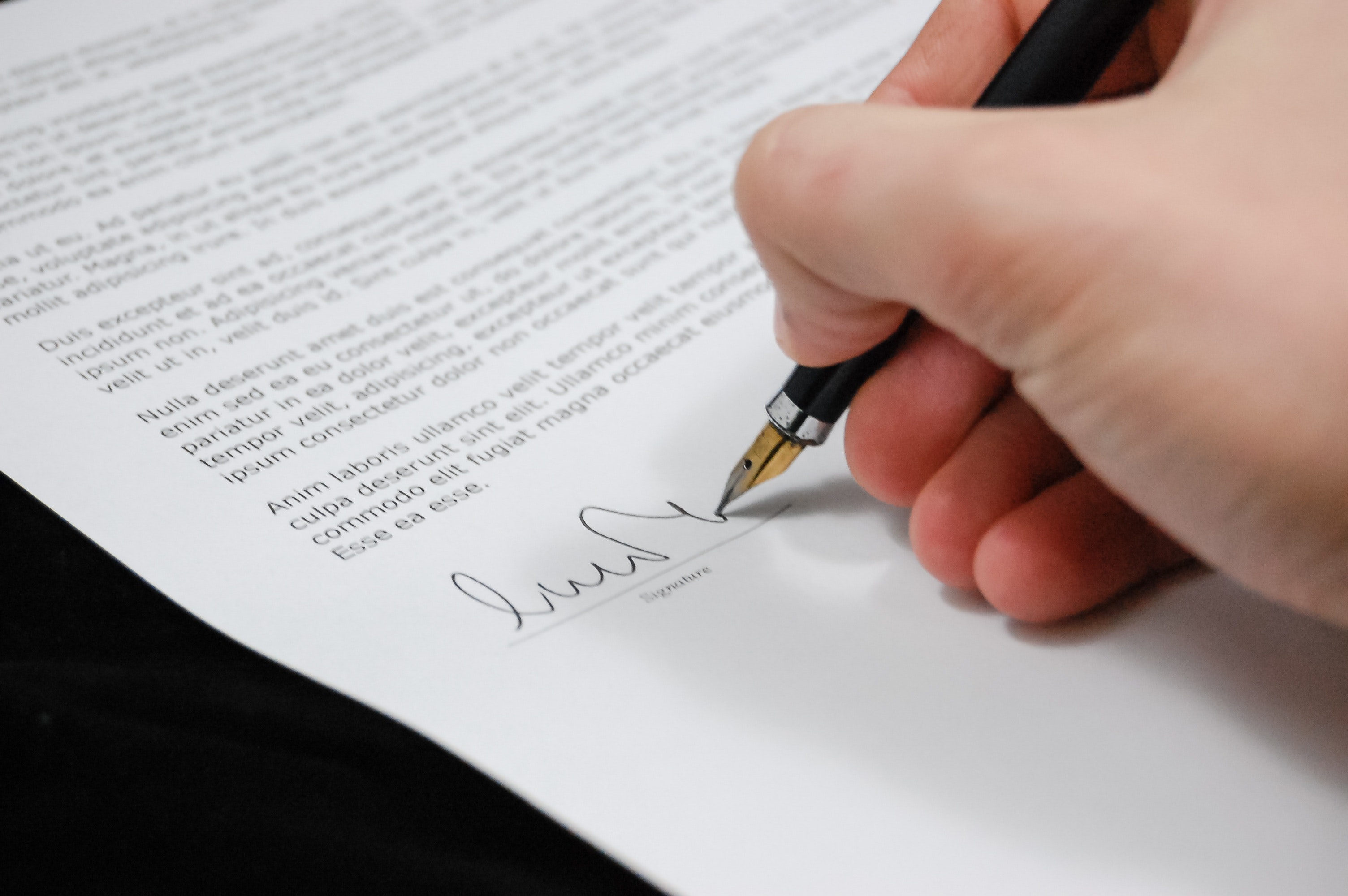
Although Cyprus does not necessitate a written employment contract, the employer is nevertheless obligated to give the employee a document that must be signed by both parties and contains details on the terms of their employment.
These contracts must pertain:
- Personal and contact information for both parties
- The employee’s job title and responsibilities
- Date of commencement and length of the Contract (if a Fixed Term Contract)
- The business’s and employee’s respective registration addresses
- All benefits to which the employee is entitled and their scheduled payments
- Working hours for the employee’s days and weeks of work
- Notice Requirements
- Annual leave eligibility
- If relevant and applicable, the use of collective agreements
Moreover, in Cyprus, there are two different kinds of employment contracts that are typically used:
- Indefinite employment which is the standard form of employment contract in Cyprus
- Fixed-term work contract which are still used in Cyprus, albeit less frequently and only for a limited time. Both parties must consent to this kind of agreement.
Any modifications to the terms and conditions of the employment agreement must be communicated to the employee within a month of the modification. The employee must be consulted and given permission before any changes to the employment terms are made by the employer. However, if employment conditions worsen as a result of the changes, an employee is within their rights make a claim.
Collective Bargaining
In Cyprus, collective bargaining and agreements are frequently used. Nearly all employees in the public and semi-public sectors are covered by labor agreements.
Cyprus allows for both company- and industry-level collective bargaining.
Although it is not required by law for workers to be represented by one or more unions, it is customary practice in several industries to have both union representation and collective agreements in place to control the employment status of the workers. The construction industry, the transportation industry, the hotel business, dockworkers, maritime workers, and farmers are among the primary industries that are represented.
Employee Rights Need-to-know basis:
- The National Minimum Wage is set at 885 EUR during the first six months of employment, which in turn goes up to 940 EUR.
- Only in the event they offer daily meals, will it be 799 (15%). And 705 (10%) if accommodation is provided
- Payroll in Cyprus is typically processed once a month, and payments must be made by the last working day of the month.
- Although it isn’t obligatory, paying employees a 13th salary in December is common.
- Annual leave for employee can be paid either by the employer to social insurance services as a contribution paid monthly or they can offer company paid annual leave.
- Annual leave consists of 20 day for 5 working day weeks, and 24 for 6 working day weeks. Employers can pay an additional day off as part of their monthly wage, which is a frequent practice in Cyprus.
- All work that is done in excess of the normal weekly working hours must be compensated as overtime and be in accordance with the employment contract or collective bargaining agreements. The maximum workweek length is 48 hours. The overtime compensation rate, which is outlined in the employment contract or collective bargaining agreements, is applied to all hours worked in excess of 40 per week.
- From the fourth day of illness, employees are eligible for paid sick leave that is covered by Social Insurance. Within 48 hours of the start of the sick leave, the employee must submit a medical certificate to the Social Insurance Administration. The social insurance provides pay for an employee that has been employed for at least 26 weeks days. After the sick leave has ended and papers were submitted, the employee may get pay of 60% of salary (in cases where there is a dependent spouse and/or dependent children, the percentage of salary may be higher).
- 1 hour lunch break (8 hour working day)
- When an individual has worked for the same employer for 30 months, regardless of contract type, they are automatically deemed a regular/permanent employee.
If the employee is let go before that date, the employer must pay a severance fee.
In conclusion, Rideo Group has curated this article to prevent potential and existing employees from falling victim of not practicing their labor rights due to lack of knowledge.
Furthermore, do not hesitate to contact us for further information about labor laws, regulations, and employment contracts so we can further assist you.
Disclaimer: Although we work hard to deliver accurate and timely information, kindly take note that rules and laws are subject to regular change. It is advised that you speak with our consultants to ensure sure that the information displayed here is accurate and up-to-date.