
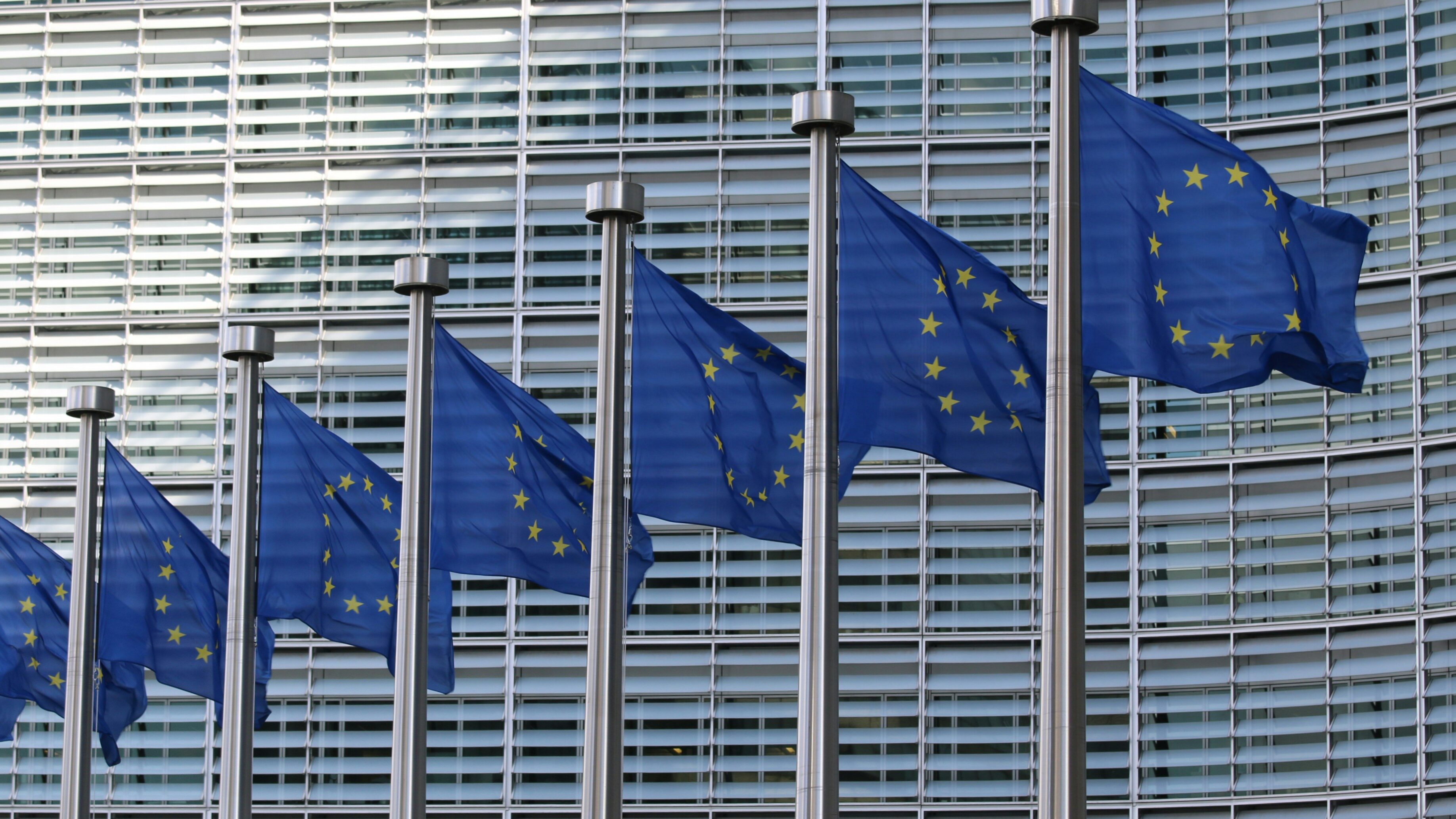
The European Parliament has greenlit a groundbreaking pact on migration and asylum, marking a significant step in reforming the European Union’s approach to these critical issues. The approval comes after months of negotiation and consensus-building among member states, signalling a unified effort to address the challenges posed by migration flows while upholding the values of solidarity and human rights.
Here’s a simplified breakdown of the key aspects of the approved pact:
Solidarity & Responsibilities
To alleviate the burden on EU countries facing significant migration pressures, other member states will contribute to three main ways: by accepting asylum seekers or individuals with international protection, providing financial assistance, or offering operational and technical support. Additionally, the rules determining which member state is responsible for processing asylum applications will be revised.
Crisis Management
A mechanism for crisis situations and force majeure will assist EU countries in managing sudden spikes in migrant and refugee arrivals. These rules aim to ensure solidarity and support for member states grappling with large influxes of third-country nationals, even in cases where migration is exploited for political ends.
Border Control
Stricter checks will be implemented for third-country nationals seeking entry into the EU. This includes thorough identification, biometric data collection, and health and safety assessments, with a process duration of up to seven days. Member states must establish independent mechanisms to safeguard fundamental rights during these procedures.
Faster Migration & Asylum Procedure
The pact introduces a unified European procedure for granting and revoking international protection status, with an emphasis on expediting asylum applications at EU borders. Shorter deadlines will apply for processing unfounded or inadmissible applications.
Eurodac Regulation
The Eurodac database will store biometric data of individuals who irregularly enter the EU, enabling authorities to identify security risks and monitor behavior patterns.
Recognition of Refugee Status
New European rules will standardize the process for recognizing refugee or subsidiary protection status across member states. Continuous reviews of refugee status and assessments based on EU Asylum Agency information will ensure consistency and fairness.
Asylum Seeker Reception
Member states will be required to maintain comparable standards for housing, education, and healthcare for asylum seekers. Registered asylum seekers will have the opportunity to work within six months of application submission
Safe Passage to Europe
A framework for resettlement and admission for humanitarian reasons will facilitate the voluntary acceptance of refugees by member states. This aims to provide a legal, organized, and safe pathway for refugees recognized by the UNHCR to enter the EU.
Next Steps for Migration & Asylum
Upon formal approval by the Council, the pact’s measures will be published in the Official Journal of the European Union and implemented within two years. Member states will have a two-year transition period to incorporate changes into their national legislation.
By endorsing this pact, the European Parliament addresses citizen expectations for a robust EU response to irregular migration while safeguarding external borders and upholding human rights. The reform reflects principles of solidarity, fair distribution of responsibilities, and a unified approach to asylum, marking a significant milestone in the EU’s evolution on migration policy.
For any additional information click here.