


A Complete Guide to Owning a Property in Cyprus as a Third-Country National
If you haven’t found the best location to purchase your forever home in, Cyprus is most definitely the right choice for you. Let me tell you why.
For third-country nationals, Cyprus offers a clear path to property ownership with well-defined regulations. This article outlines the necessary steps, requirements, financial considerations, regulations, and documents you’ll need to own a home in Cyprus.
So basically, everything you need to know about obtaining a property in Cyprus in less than a 5 minute read.
Why Cyprus?
Cyprus is a member of the European Union and boasts a stable economy, favorable tax policies, and a high quality of life. For third-country nationals, purchasing property in Cyprus can be a significant investment, especially for those interested in residency or long-term holiday homes. Furthermore, the island offers a variety of property options, from luxurious seaside villas to urban apartments.
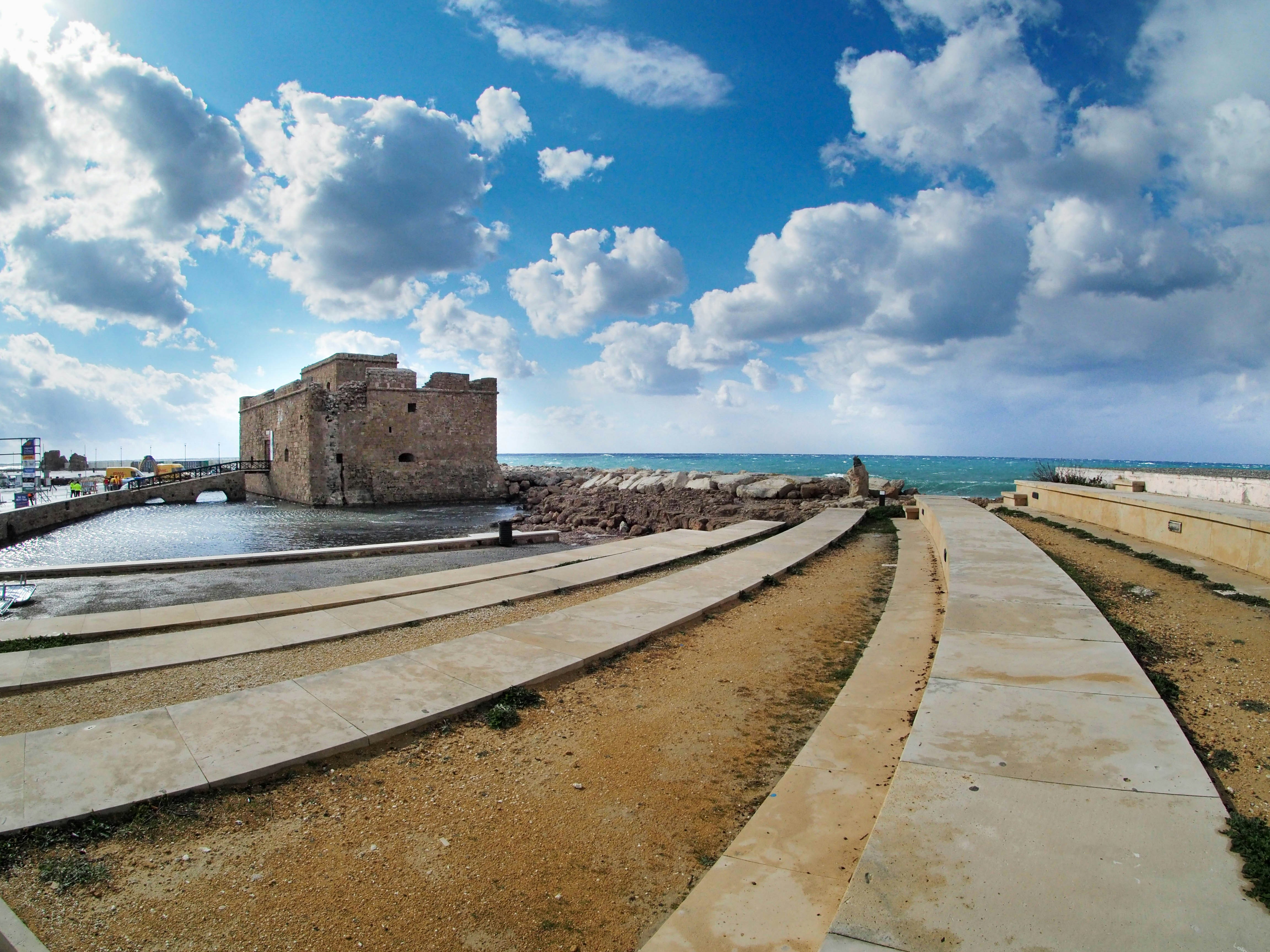
Key Steps to Owning a Property in Cyprus
1. Research the Property Market
Begin by understanding the local real estate market. Different areas in Cyprus cater to varied preferences:
- Nicosia: The capital city, ideal for business-oriented buyers.
- Limassol: Known for its cosmopolitan vibe and luxury developments.
- Paphos: A favorite among retirees and expats.
- Larnaca: Offers affordable beachfront properties.
2. Engage a Licensed Real Estate Agent
Work with a certified real estate agent who is familiar with the regulations for third-country nationals. Agents can help identify properties that suit your needs and guide you through the process. Thankfully, we have collaborated with numerous real estate agents and developers from around the island to cater to your specific needs.
3. Legal Assistance
Hiring a qualified lawyer is crucial for third-country nationals. They will ensure that the property title is clear of liens or disputes and that all transactions comply with Cypriot law.
4. Property Reservation and Due Diligence
Once you select a property, you may need to pay a reservation fee to secure it. This non-refundable fee prevents the property from being sold to someone else while due diligence is conducted.
5. Sales Agreement
After due diligence, you’ll sign a sales agreement with the property developer or seller. This agreement must be registered with and stamped by the Land Registry to safeguard your ownership rights.
6. Apply for Permission to Buy
As a third-country national, you must apply for permission from the District Administrative Office to acquire property in Cyprus. This is typically a formality, provided all documents and financials are in order.
7. Title Deed Transfer
Once the purchase is complete, the title deed will be transferred to your name. This process involves paying transfer fees, some revenue stamps and completing other formalities.
Why is Having a Title Deed Important?
A title deed is one of the most critical documents why purchasing a property in Cyprus. It serves as the official proof of ownership and provides legal protection to the buyer. Whether you’re a Cypriot citizen or a third-country national, obtaining the title deed for your property is essential for several reasons:
- Legal Ownership: The title deed is the only document that officially establishes you as the legal owner of the property. Without it, your ownership rights may be challenged, and the property could technically still belong to the developer or seller.
- Avoiding Future Disputes: Without a title deed, you may encounter disputes related to the property.
For instance:
1. The property could be sold to another buyer.
2. The seller could mortgage the property after the purchase.
Having a title deed ensures that no one else can claim ownership of the property.
- Selling the Property: A title deed is crucial if you ever decide to sell the property. Buyers typically demand title deeds as proof that the property is free from disputes or encumbrances. Without one, selling the property can be difficult, and its market value may decrease.
- Access to Financial Opportunities: Title deeds allow you to use the property as collateral for loans or mortgages. Banks and financial institutions require title deeds as part of their lending criteria. Without it, you won’t be able to leverage the property for financial support.
- Compliance with Local Laws: In Cyprus, the government requires title deeds for all property-related registrations, such as tax compliance, utility connections, and legal transactions. Not having a title deed may result in legal complications or penalties.
- Protection Against Developer or Seller Issues: In cases where the property is purchased from a developer, not having a title deed may leave you vulnerable if the developer goes bankrupt or faces legal trouble. The title deed ensures that you retain ownership regardless of the developer’s circumstances.
- Peace of Mind: A title deed gives you peace of mind by providing undisputed ownership. It guarantees that your investment is secure, making the process of owning property stress-free and transparent.

Requirements for Third-Country Nationals
Immovable Property Permit
Third-country nationals are required to obtain an Immovable Property Permit to own property in Cyprus. The permit is granted by the District Administrative Office and typically takes up to 30 days for approval.
Note: Ensure you visit the appropriate District Administrative Office corresponding to the city where your property is located.
The following documents are required:
- A fully completed application form.
- Proof of financial stability (e.g., bank statements).
- A marriage certificate (if applicable)
- A copy of your passport and any residence permits (if applicable).
- The sales agreement or title deed of the property.
- Survey and architectural plans of the property.
- Evidence that the property will be used for personal purposes (not commercial use).
- Copy of contract of purchase, duly stamped from the Land Registry and Tax Department.
- Receipt of payment.
Limitations for Third-Country Nationals
- You can own up to 4,014 square meters of land.
- Properties for commercial use or agricultural purposes may require additional approvals.
Financial Considerations
Property Prices
Property prices in Cyprus vary depending on the location and type of property:
- New Builds: Often more expensive due to modern designs and VAT.
- Resale Properties: Generally more affordable, with no VAT but potential renovation costs.
Value Added Tax (VAT)
VAT applies to new properties at a rate of 19%. However, first-time buyers purchasing a home as their primary residence may benefit from a reduced VAT rate of 5% for the first 200 square meters.
Transfer Fees
Transfer fees depend on the property’s value:
- Below €85,000: 3%.
- €85,001 to €170,000: 5%.
- Above €170,000: 8%.
Stamp Duty
Stamp duty applies to the sales agreement:
- 0.15% for amounts up to €170,000.
- 0.20% for amounts above €170,000.
Other Costs
- Legal fees: Typically 1-2% of the property value.
- Real estate agent fees: 3-5% of the purchase price.
- Utility connection costs (for new builds).
Documents Needed for Ownership Property in Cyprus
Third-country nationals need several key documents for a smooth property purchase:
- Valid passport.
- Tax identification number (obtained in Cyprus).
- Proof of address (e.g., utility bills).
- Proof of funds (bank statements or loan agreements).
- Sales agreement, duly signed and registered.
Regulations for Property Ownership
Cyprus has established clear regulations to protect property buyers:
1. No Restrictions for EU Nationals: EU citizens face no limitations, while third-country nationals need District Administrative Office approval.
2. Guaranteed Title Deeds: The government ensures buyers receive clear title deeds.
3. Mortgage Regulations: Third-country nationals can secure a mortgage from Cypriot banks, provided they meet all the requirements.
New Properties vs. Resale Properties
New Properties:
- Come with modern features and amenities.
- Subject to 19% VAT (with a reduced 5% rate for first residences).
- No renovation costs initially.
Resale Properties:
- Typically less expensive as VAT is not applicable.
- May require renovation or upgrades.
- Often come with title deeds readily available.
- Cannot apply for Fast track Permanent Residence Permit, only Category F Visa.
Residency Benefits for Property Buyers
Purchasing property in Cyprus can open doors to residency benefits:
- Temporary Residency: Granted to non-EU nationals who purchase property worth at least €300,000.
- Permanent Residency: Available under the Cyprus Residency by Investment Program, provided specific financial thresholds are met.

Registering Property in Cyprus: Essential Steps for a Third-Country National
Owning property in Cyprus involves more than just signing a purchase agreement. Proper registration and compliance with local regulations are crucial to ensure your ownership rights are fully recognized. Here are the detailed steps involved in registering your property, obtaining necessary documents, and meeting financial obligations:
1. Registering the Property at the Land Registry
The property must be registered at the District Land Registry Office, a critical step to secure ownership.
Steps to Register Property
- Submit the Sales Agreement: After signing the purchase agreement, you or your lawyer must file it at the Land Registry within 6 months to safeguard your legal ownership rights. This filing acts as a “charge” on the property, preventing the seller from selling or mortgaging it to anyone else.
- Pay the Transfer Fees: Transfer fees are due when the title deed is officially transferred into your name. Fees are calculated based on the property’s market value at the time of purchase.
Title Deeds
The title deed is the ultimate proof of ownership. In some cases, new developments may take time to issue title deeds, so it’s important to verify whether the property has an existing title or if it is pending issuance.
2. Obtaining the BOE Paper
The BOE (Βεβαίωση Ολοκλήρωσης Εργασιών) is a certificate that confirms the completion of construction works on the property. This document is essential when purchasing a new property and transferring title deeds.
How to Obtain the BOE:
- The property developer is typically responsible for applying for the BOE after construction.
- Ensure the BOE has been issued before finalizing the purchase, as its absence may delay the title deed transfer.
3. Paying Stamp Duty
The stamp duty is a one-time fee paid when signing the purchase agreement. This fee must be settled within 30 days of signing the contract to avoid penalties.
Rates:
- 0.15% for properties valued up to €170,000.
- 0.20% for properties above €170,000.
The stamped agreement is a legal requirement for registering the contract at the Land Registry.
Proof of Payment:
The Stamp Duty Commissioner issues a receipt confirming payment, which you must retain for future processes, including title deed issuance.
4. Registering with the Tax Department
Property ownership in Cyprus entails certain tax obligations. Registering your property with the Tax Department ensures compliance with local tax regulations.
Steps for Registration:
- Obtain a Tax Identification Number (TIN): Third-country nationals must apply for a TIN from the Cypriot Tax Department. This number is mandatory for all property-related transactions.
- Pay Annual Taxes:
- Immovable Property Tax (IPT): This was abolished in 2017 but may still apply to older transactions.
- Municipality Taxes: Typically range from €85 to €300 per year, depending on the property’s location and size.
- VAT Reclaim: If applicable, you can register with the Tax Department to claim VAT refunds for new properties purchased as primary residences.
5. Other Administrative Steps
Utility Registration
After completing the property purchase, you’ll need to register for utilities like electricity, water, and waste management. Each utility provider may require documents such as:
- Title deed or purchase agreement.
- Proof of identity (passport).
- Proof of address.
Home Insurance
While not legally required, home insurance is strongly recommended. It protects against natural disasters, theft, and property damage.

Simplify Your Property Purchase Journey in Cyprus
At Rideo Group, we are committed to making the process of purchasing and registering property in Cyprus seamless and stress-free for you. We collaborate with some of the most reputable developers and real estate agents on the island, ensuring you have access to a wide range of high-quality properties that suit your needs.
Additionally, our trusted network of experienced lawyers works closely with us to provide expert guidance throughout the legal process. From negotiating the best deals to drafting and reviewing contracts with clear, straightforward language, our team ensures that every step is transparent and in your best interest.
With Rideo Group, you can confidently navigate the complexities of property ownership in Cyprus, knowing you have reliable professionals by your side.
Conclusion
Owning a property in Cyprus as a third-country national is a straightforward process with the right guidance. From securing an Immovable Property Permit to understanding VAT and transfer fees, being informed is the key to a smooth purchase. Cyprus offers a unique blend of modern living and Mediterranean charm, making it a worthwhile investment for those looking to own a slice of paradise.
Before making any decisions regarding obtaining property in Cyprus, consulting with a qualified real estate agent, lawyer, and financial advisor to navigate the process effectively. With careful planning and the right resources, you can successfully own property in Cyprus and enjoy the many benefits it offers.
Disclaimer: Although we work hard to deliver accurate and timely information, kindly take note that rules and laws are subject to regular change. It is advised that you speak with our consultants to ensure sure that the information displayed here is accurate and up-to-date.