

Cyprus Construction Companies: The Reality Behind This Field
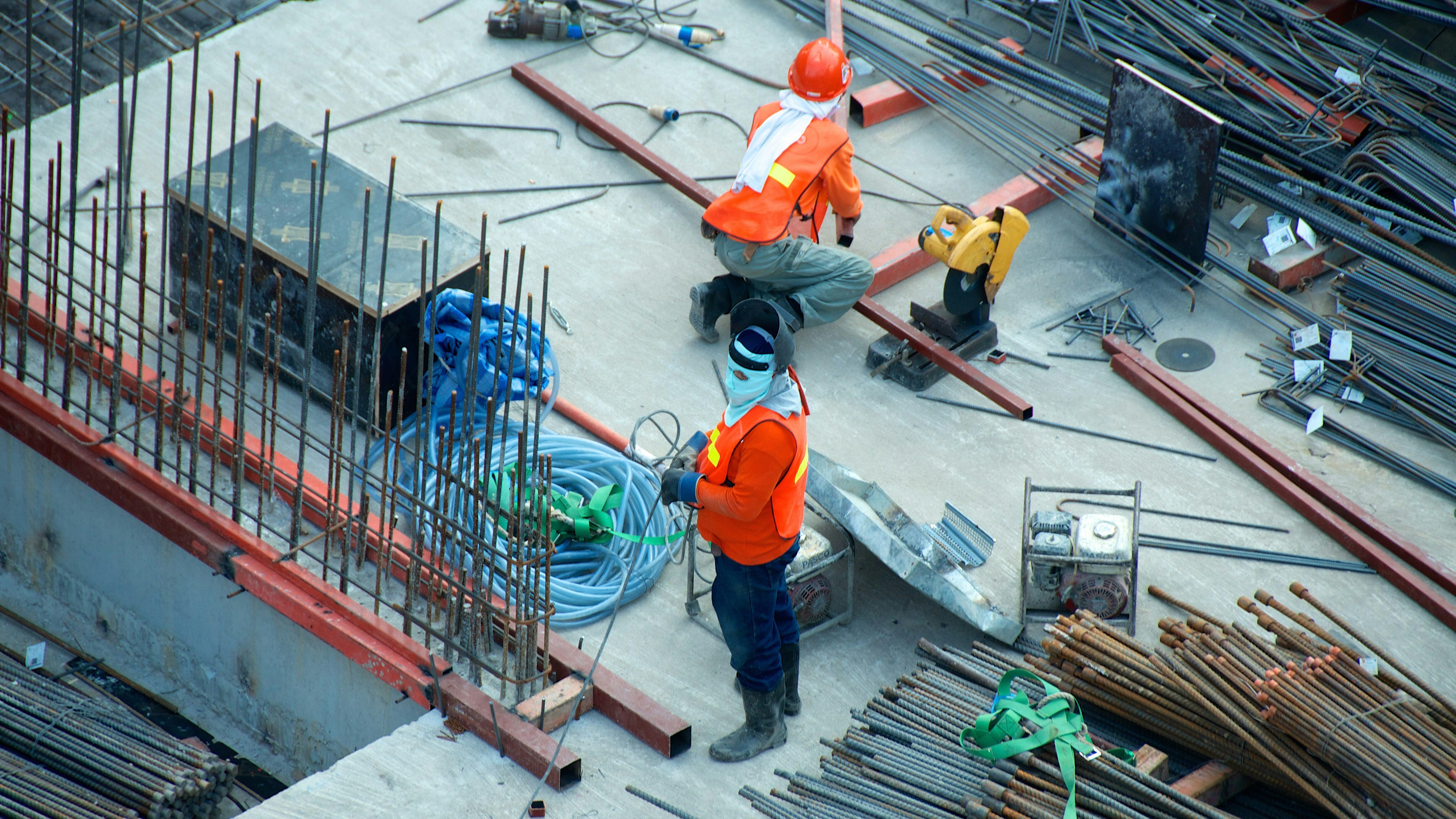
The construction industry in Cyprus is everywhere — from the glittering coastal resorts to the new residential towers shaping the island’s skyline. Yet behind the cranes, cement mixers, and polished façades lies a world that few outside the sector truly understand.
Construction fuels much of Cyprus’s economy. It employs thousands of workers and supports a complex network of engineers, architects, contractors, and tradesmen. But beneath the surface, the industry is a patchwork of contrasting realities — where professionalism meets exploitation, modern systems coexist with outdated practices, and fair pay often clashes with cost-cutting.
In 2025, as Cyprus continues to expand and urbanize, it’s time to look beyond the walls being built — and examine what’s really happening within the companies that build them.
How Cyprus Construction Companies Operate
The way construction companies in Cyprus operate depends largely on their structure, management style, and financial priorities.
At one end of the spectrum, there are well-established firms with organized systems — certified engineers, safety officers, cost-tracking software, and clear communication channels. These companies run like clockwork, investing in technology and compliance to maintain long-term credibility.
At the other end, there are smaller firms or old-school crews that function on trust and handshake deals. Many lack proper supervision, digital tools, or even formal payroll systems. Workers are sometimes hired on short-term contracts or paid in cash. These practices can lead to confusion, delays, and unsafe conditions — especially when scaling up for larger projects.
The companies thriving in today’s market are those embracing modernization. They invest not only in machinery but in people, systems, and compliance — understanding that reputation and sustainability are built on more than concrete.
The People Behind the Projects
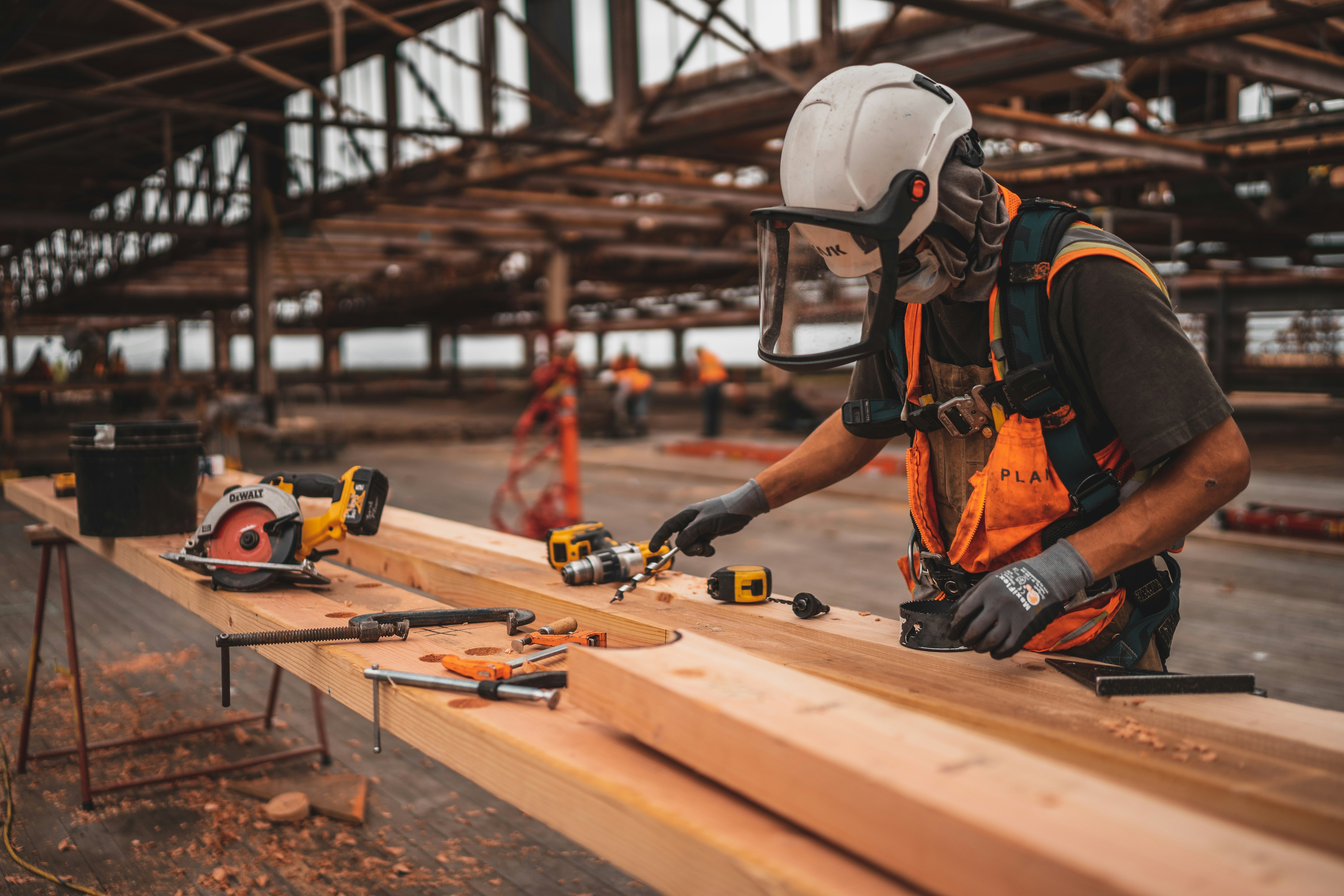
Every building, road, and renovation in Cyprus represents the combined effort of hundreds of individuals — from architects to bricklayers. Yet, not all are treated equally.
Cyprus’s construction workforce is a mix of local and foreign labor. Skilled Cypriot tradesmen are becoming rare, as younger generations seek less physically demanding work. This has led to increased reliance on foreign workers, primarily from Eastern Europe and Asia, who form the backbone of most construction sites.
However, these migrant workers often face lower pay and limited protection, especially when employed by smaller contractors who may not follow proper labor regulations. Language barriers and lack of awareness about employment rights only worsen their vulnerability.
At the professional level, engineers, architects, and surveyors face their own struggles. Despite the critical responsibility they carry — ensuring structural safety, compliance, and design integrity — salaries can be shockingly low.
It’s not uncommon to find job postings offering €1,000–€1,200 per month to licensed engineers who have studied for years and carry legal liability for projects. Such wages not only undervalue expertise but also drive talented professionals abroad, draining the local industry of essential skills.
The Salary Reality
Construction salaries in Cyprus vary widely depending on role, skill level, and company structure. Here’s a general overview of the 2025 landscape:
- Laborers: €1,000–€1,500 per month
- Skilled tradesmen (electricians, steel fixers, plasterers): €1,600–€2,200
- Foremen: €2,000–€3,000
- Civil Engineers (entry level): €1,500–€2,000
- Experienced Engineers / Site Managers: €2,500–€3,500+
- Senior Project Managers / Directors: €4,000–€6,000
These figures represent fair market ranges. The issue arises when companies attempt to compress them — expecting top-tier performance at minimal pay. The result is predictable: high turnover, low motivation, and declining workmanship.
An underpaid workforce cannot sustain quality construction. Engineers and foremen who feel undervalued often leave for higher-paying countries such as Germany or the UAE, taking with them years of experience and stability. For a company, losing such talent isn’t just an HR issue — it’s a direct financial and reputational loss.
The Employer’s Dilemma
It’s easy to paint employers as exploiters, but the truth is more nuanced. Many small construction firms in Cyprus operate on thin margins, struggling with rising material costs, delayed client payments, and relentless competition.
Developers often pressure contractors to lower their bids, which in turn forces those contractors to reduce labor costs. The cycle perpetuates itself — until quality and safety suffer.
Yet, smart employers are breaking that pattern. They’ve realized that investing in their people pays off. A well-compensated and motivated team finishes projects faster, makes fewer mistakes, and boosts client satisfaction. These companies understand that professionalism and profitability go hand in hand.
Skills, Not Just Labor
The construction sector’s greatest weakness today is not the lack of work — it’s the lack of skilled hands.
Younger Cypriots often perceive construction as outdated or low-status work, preferring office-based careers. This has led to a shortage of skilled tradespeople and mid-level technicians. The gap is partially filled by foreign labor, which, while essential, sometimes lacks standardized training.
For Cyprus to remain competitive, it must rebrand technical and vocational work as respectable, rewarding, and professional. When a certified engineer earns barely more than an unskilled worker, something is deeply wrong in the value system.
Encouraging training programs, apprenticeships, and fair pay scales can help restore balance and pride in this field.
Regulation and Professional Standards
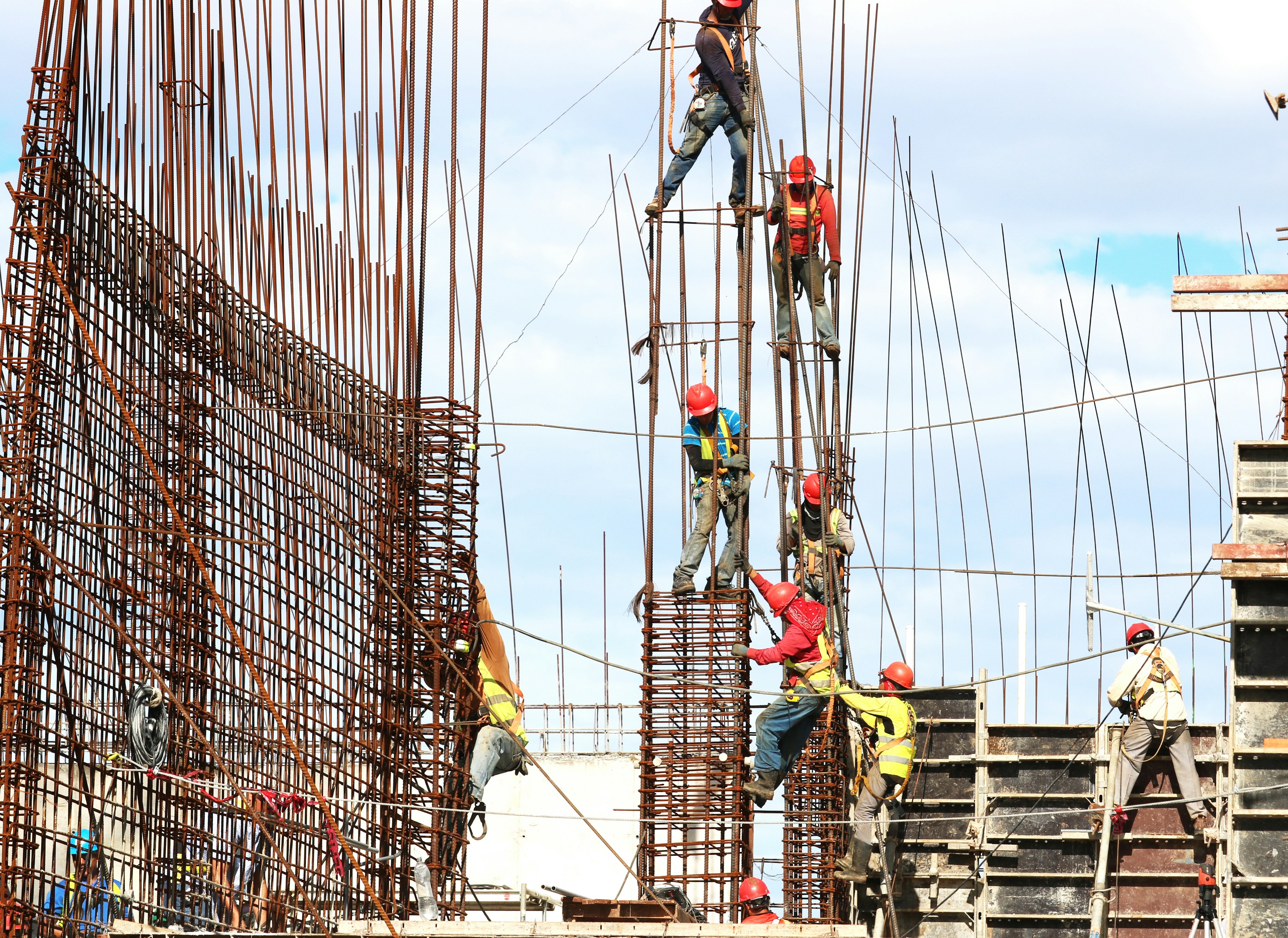
Construction is one of the most heavily regulated sectors in Cyprus — at least on paper. Laws exist for health and safety, labor protection, and building compliance, but enforcement can vary dramatically between sites.
Larger firms usually adhere strictly to these regulations, employing safety officers and HR departments to ensure compliance. Smaller firms, however, may cut corners — sometimes out of ignorance, sometimes to save costs.
Employers and company owners must understand that compliance is not optional. Failure to follow labor laws can lead to hefty fines, halted projects, or even loss of reputation. More importantly, violations can directly affect the company’s ability to obtain or renew work permits for foreign employees.
The Cyprus Labor Office enforces strict penalties for non-compliance with employment contracts, safety standards, and insurance requirements. By maintaining proper contracts, paying contributions, and adhering to safety regulations, employers protect not just their workers but also their own business continuity.
In short: compliance isn’t bureaucracy — it’s protection.
Who Is Legally Allowed to Work in Construction in Cyprus
Understanding who can legally work in construction is crucial for every employer. Hiring individuals without proper authorization can result in severe penalties, fines, or blacklisting.
Allowed to Work in Construction:
- Cypriot citizens
- European citizens holding a residence permit (Yellow Slip)
- Cypriot spouses of foreigners with employment rights
- EU spouses with employment rights
- Individuals under Temporary Protection
- Persons with Subsidiary Protection status
- Recognized Refugees with employment rights
Not Allowed to Work in Construction:
- Asylum applicants whose cases are still under examination
- Students (unless special work permission is granted)
- Individuals without legal residence status in Cyprus
- Visitors or tourist visa holders
Employers are advised to verify the legal status of every employee before hiring. A single violation can lead to substantial fines and jeopardize a company’s licensing and permit rights.

The Importance of Reputation
In a small market like Cyprus, reputation is everything. News travels fast among engineers, subcontractors, and workers. A company known for delayed payments or poor treatment quickly becomes blacklisted within the community.
On the flip side, companies that respect their staff, pay on time, and maintain professionalism rarely struggle to attract talent. Word-of-mouth recommendations from satisfied workers are more powerful than any recruitment ad.
Professional integrity directly influences success. It builds trust, which leads to smoother projects, loyal employees, and repeat clients. The firms that understand this will dominate the next decade of Cypriot construction.
The Path Forward
Cyprus stands at a crossroads. The skyline is rising, but the foundation of the industry — its people — is unstable. To secure the sector’s future, employers must shift from a “cheap labor” mindset to a “value through skill” approach.
This doesn’t mean inflating salaries beyond sustainability, but it does mean ensuring fair compensation relative to responsibility. You can’t entrust a civil engineer with the safety of a multimillion-euro building and pay them a near-minimum wage.
Equally, you can’t demand twelve-hour shifts from site workers without proper safety measures and benefits.
Younger professionals are becoming more aware of their rights. Many now refuse underpaid offers and seek companies that value their expertise. Employers must adapt — offering training, bonuses, flexibility, and respect — if they want to stay competitive.
Employment Documentation and Procedures in Cyprus Construction
Construction companies in Cyprus must ensure all employees are legally allowed to work and properly registered. Compliance protects workers, avoids fines, and preserves the company’s ability to obtain work permits in the future.
Key steps for employers:
- Verify Legal Status
Ensure employees have the right to work: Cypriots, EU residents with a Yellow Slip, spouses with employment rights, temporary or subsidiary protection holders, and recognized refugees. Avoid hiring asylum applicants under review, students, visitors, or anyone without legal status. - Written Employment Contracts
Contracts should clearly state job role, salary, work hours, benefits, insurance contributions, and health and safety obligations. Verbal agreements put both parties at risk. - Social Insurance Registration
Register new hires within seven days to contribute to social insurance, pensions, and other mandatory funds. Failure can result in penalties and leave workers uninsured. - Payroll and Records
Maintain payslips showing gross and net pay, deductions, and hours worked. Keep an updated employee register for inspections. - Health and Safety Compliance
Provide PPE, conduct risk assessments, and appoint safety officers for larger sites. Proper safety procedures prevent accidents and legal liability. - Work Permits for Non-EU Staff
For non-EU employees, obtain a valid work permit through the Labour Office and CRMD. Unauthorized employment risks fines and suspension of future permits.
Following these procedures ensures both employer and employee protection, strengthens the company’s reputation, and guarantees legal compliance in Cyprus’s construction industry.
Compliance, Protection, and Professional Support
Running a construction business in Cyprus requires more than just managing materials and schedules — it requires navigating complex legal and administrative requirements.
To protect both the company and its employees, every construction firm should:
- Register all employees with the Social Insurance Department.
- Maintain written employment contracts.
- Follow Labour Office regulations and health and safety laws.
- Verify each worker’s visa and residence status.
- Keep proper records for audits and inspections.
Failing to comply can result in fines, project delays, or even the suspension of future work permits.
Rideo Group: Your Partner in Compliance and Guidance
For employers and workers alike, understanding the legal and operational landscape of Cyprus’s construction industry can be overwhelming.
That’s where Rideo Group comes in.
Rideo Group offers full consultation and expert guidance for construction companies, contractors, and workers — ensuring every aspect of employment, documentation, and compliance is properly managed.
From verifying work rights and securing permits to drafting legal contracts and advising on fair pay structures, Rideo Group helps clients stay compliant, protected, and productive.
With the right support, both employers and employees can focus on what really matters — building Cyprus safely, fairly, and sustainably.
Conclusion
The construction industry in Cyprus is more than just cranes and cement. It’s a living network of people, laws, and ambitions. But without fairness and compliance, the entire system cracks under its own weight.
Employers must recognize that their greatest asset isn’t the machinery or materials — it’s the skilled hands and minds behind every structure. Paying fairly, following the law, and investing in professional growth are not luxuries; they’re necessities.
Because in construction, the true strength of a company isn’t measured in the height of its buildings — but in the integrity of the people who build them.
Disclaimer:
The information in this article reflects the legal framework and practical realities for Self-Employment in Cyprus as of 2025. Laws and procedures may evolve. For up-to-date advice tailored to your case, we recommend booking a consultation with Rideo Group’s expert team.