


In recent years, the global eco-tourism industry has undergone a significant transformation, with a growing emphasis on sustainability and responsible travel practices.
Cyprus, the third largest island in the Mediterranean region, has emerged as a leading destination for eco-conscious travelers seeking to explore natural beauty while minimizing their environmental impact. Its strategic location has historically made it a prized possession for various civilizations, resulting in a rich cluster of cultures, traditions, and influences. The island offers a diverse array of attractions for those looking to experience sustainable tourism firsthand.
Cyprus is known as a historic island with a rich cluster of cultures, traditions, and influences due to its strategic location and its historical significance to various civilizations. This diversity has led to a range of sustainable tourism opportunities for those looking to experience the island’s beauty while also making a positive impact on its environment.
Below, you’ll find 7 ways and initiatives that Cyprus is taking to boost eco-tourism.
Embracing Sustainable Practices
At the forefront of Cyprus’s eco-tourism movement are initiatives aimed at preserving the island’s delicate ecosystem while promoting responsible tourism practices. One such initiative is the Cyprus Sustainable Tourism Initiative (CSTI), a non-profit organization dedicated to promoting sustainability within the tourism industry.
The CSTI works in collaboration with local businesses, government agencies, and community organizations to develop and implement sustainable tourism practices that benefit both the environment and the local economy of the island. These practices focus on reducing energy and water consumption, minimizing waste, and supporting local economies by sourcing products locally.
Defending Natural Resources
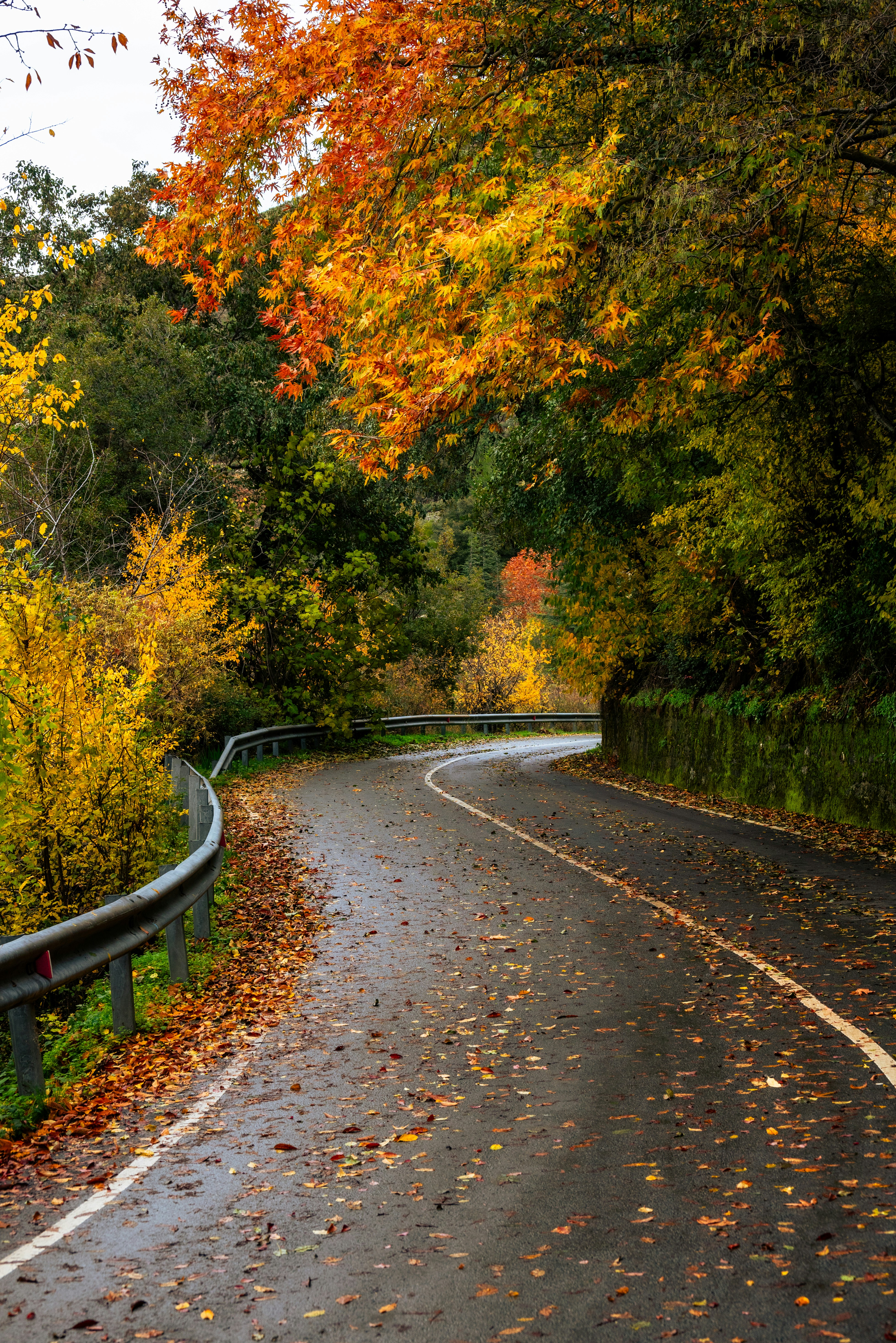
The preservation of Cyprus’s natural resources, such as its stunning coastline, varied marine life, and exceptional biodiversity, is essential to the island nation’s eco-tourism initiatives. Cyprus is home to several protected zones, including the Troodos National Forest Park and the Akamas Peninsula, where tourists can explore unspoiled environments and observe rare plant and animal species in their natural habitats.
Efforts to preserve these areas include habitat restoration projects, wildlife conservation initiatives, and the establishment of marine protected areas to safeguard these vulnerable ecosystems. Additionally, local authorities work to educate visitors about the importance of respecting these environments and the species that inhabit them.
Marine Conservation and Eco-Tourism
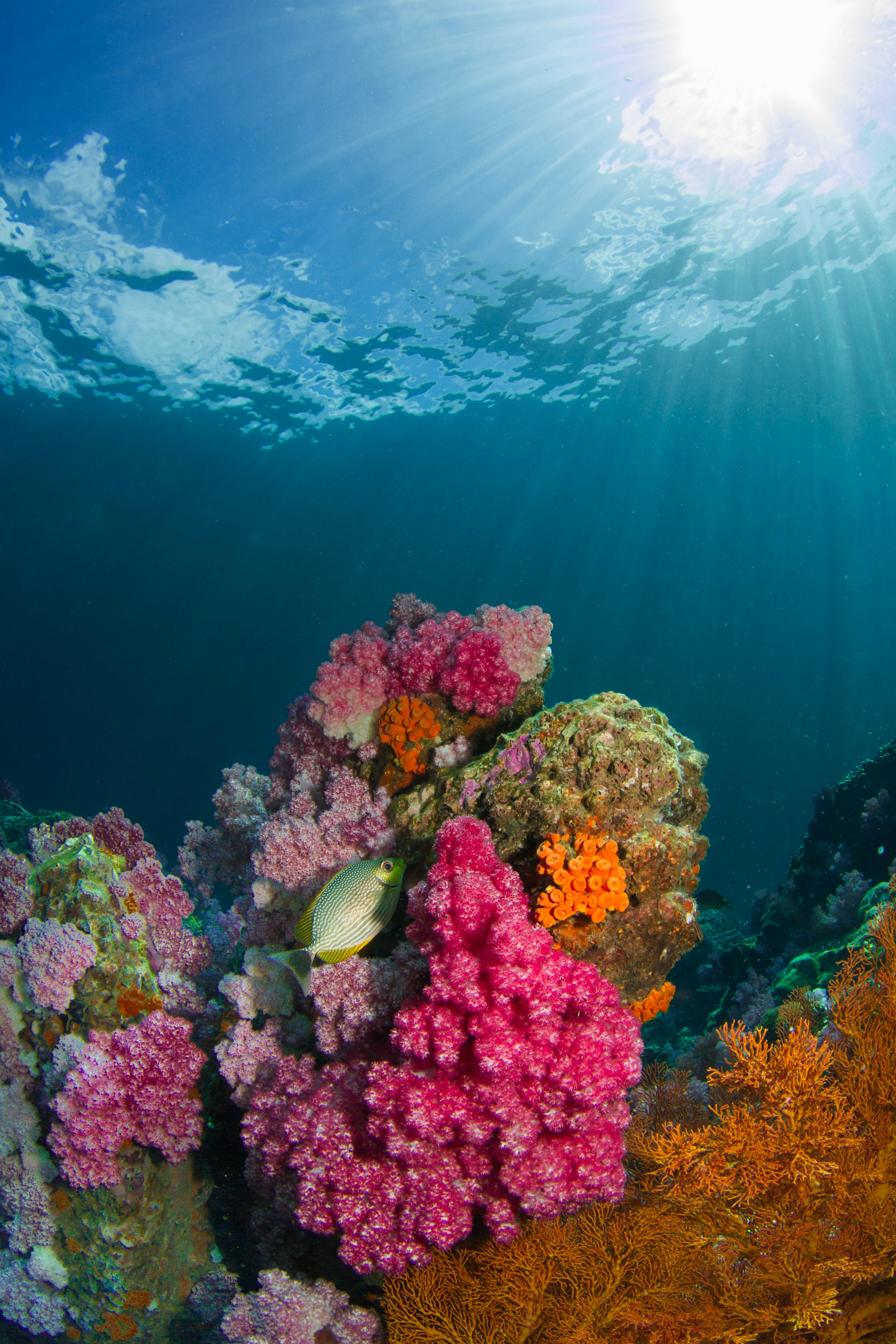
Cyprus’s coastal and marine ecosystems are essential to its tourism industry. The island is known for its clear blue waters, diverse marine life, and beautiful coral reefs. The island’s efforts in marine conservation include:
- Marine Protected Areas: Designated marine parks help protect coral reefs, seagrass meadows, and other vital marine habitats. These protected areas support a range of marine species, including turtles and fish, which are important for both the ecosystem and local fishing communities.
- Diving and Snorkeling: Cyprus offers eco-friendly diving and snorkeling experiences that prioritize the health of the marine ecosystem. Licensed diving centers follow strict environmental guidelines to minimize the impact on underwater habitats.
- Turtle Conservation: Cyprus is home to several nesting sites for loggerhead and green turtles. Conservation organizations work to protect these sites and educate visitors about the importance of turtle conservation.
Promoting Sustainable Travel Options
In addition to conservation efforts, Cyprus offers a variety of sustainable travel options for environmentally conscious travelers. Eco-friendly accommodations, such as eco-lodges, boutique hotels, and agrotourism guesthouses, provide visitors with comfortable yet environmentally responsible lodging options. Many of these accommodations prioritize energy and water conservation, waste reduction, and locally sourced organic food to minimize their environmental footprint.
Cyprus also has a well-established network of hiking and cycling trails that allow travelers to experience the island’s natural beauty without contributing to pollution or congestion. Visitors can explore the island’s mountains, valleys, and coastlines while learning about local flora and fauna.

Supporting Local Communities
Eco-tourism in Cyprus extends beyond environmental preservation; it also supports local communities. Agrotourism experiences, such as staying in traditional village houses and participating in local farming activities, offer visitors the chance to connect with Cyprus’s rural culture and support the livelihoods of local farmers and artisans.
Local craft workshops and markets allow travelers to purchase handmade goods, including pottery, weaving, and lacework, directly from the artisans. These purchases help sustain traditional crafts and provide a source of income for local communities.
Unique Cultural and Culinary Experiences
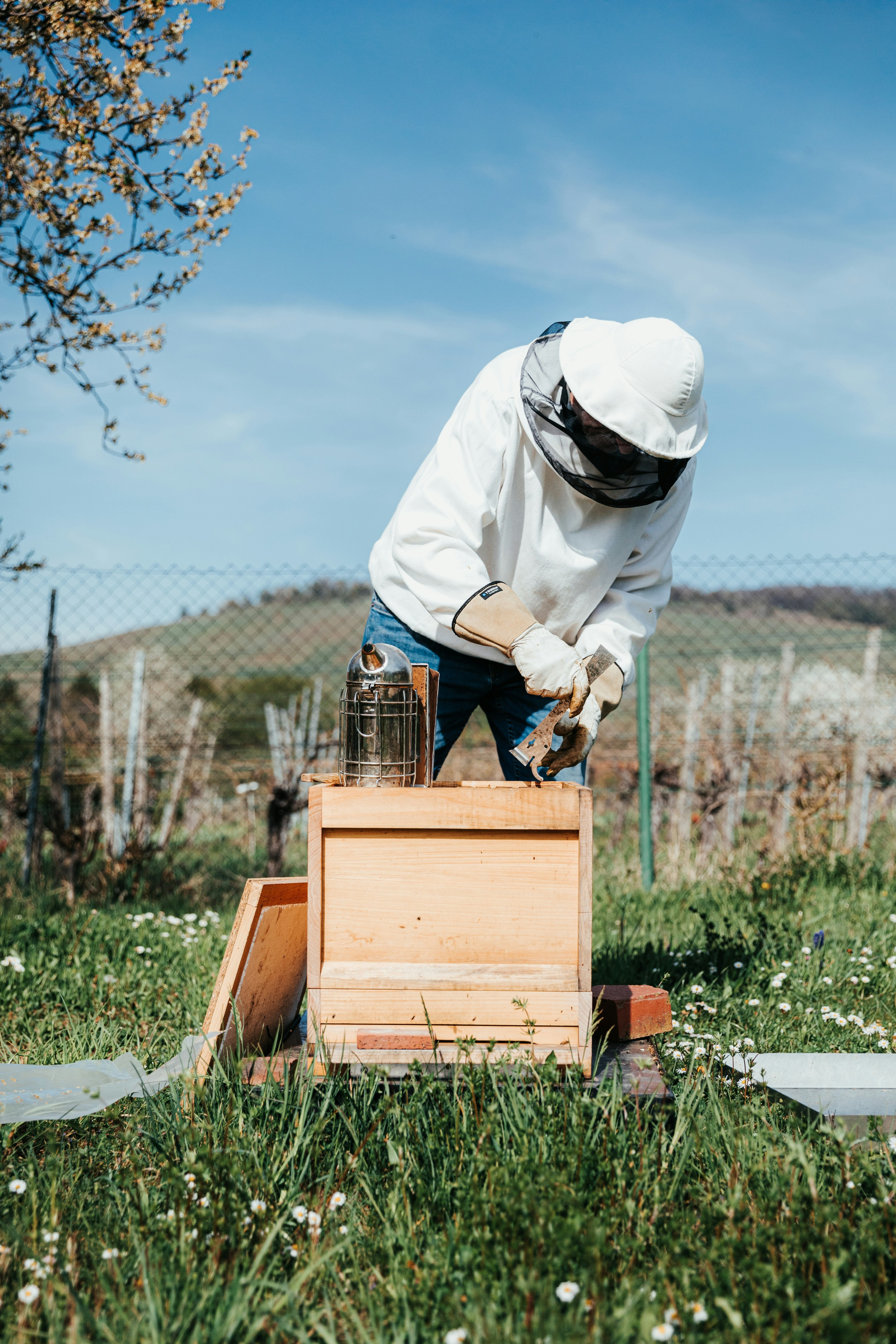
Cyprus offers unique cultural and culinary experiences for eco-conscious travelers. One standout example is the production of high-quality honey, which was recognized in 2013 when a Cypriot honey earned the prestigious title of ‘Best in the World’ at the World Beekeeping Awards.
Visitors can immerse themselves in the world of beekeeping for a day at the Ecophysis Bee & Nature Center, a family-run enterprise. Participants can don protective beekeeping suits, observe the hives up close, delve into the fascinating lives of these communal insects, and savor the delicious honey they produce. Additionally, visitors can participate in the honey harvesting process during August and assist with bottling from September to November.
Another aspect of Cyprus’s culinary heritage is its traditional cuisine, which features locally sourced ingredients such as olives, halloumi cheese, and fresh vegetables. Travelers can enjoy authentic Cypriot dishes at local restaurants or join cooking classes to learn how to prepare these dishes themselves.
Renewable Energy Initiatives
Cyprus is also working to reduce its carbon footprint and promote renewable energy sources:
- Solar Power: The island receives abundant sunlight throughout the year, making solar energy a key component of its sustainable practices. Solar panels are widely used to generate clean energy and heat water, reducing reliance on fossil fuels.
- Wind Farms: Cyprus has been developing wind farms to harness wind energy. These wind farms contribute to the island’s renewable energy goals and reduce greenhouse gas emissions.
Challenges and Future Goals
Despite its achievements, Cyprus faces challenges in its journey toward sustainability:
- Overtourism: The island’s popularity as a tourist destination can strain its natural resources and infrastructure. Managing the number of visitors and promoting off-peak tourism can help address this issue.
- Waste Management: Proper waste management remains a challenge, especially in popular tourist areas. Efforts are being made to improve recycling and waste reduction practices.
Dealing with it for sustainable eco-tourism
Cyprus is committed to overcoming these challenges and aims to continue its journey toward a more sustainable future by setting ambitious goals for renewable energy adoption and expanding its conservation efforts.
Overall, Cyprus’s dedication to sustainable tourism serves as a model for other destinations looking to balance the demands of tourism with the need to protect natural and cultural heritage.
Conclusion
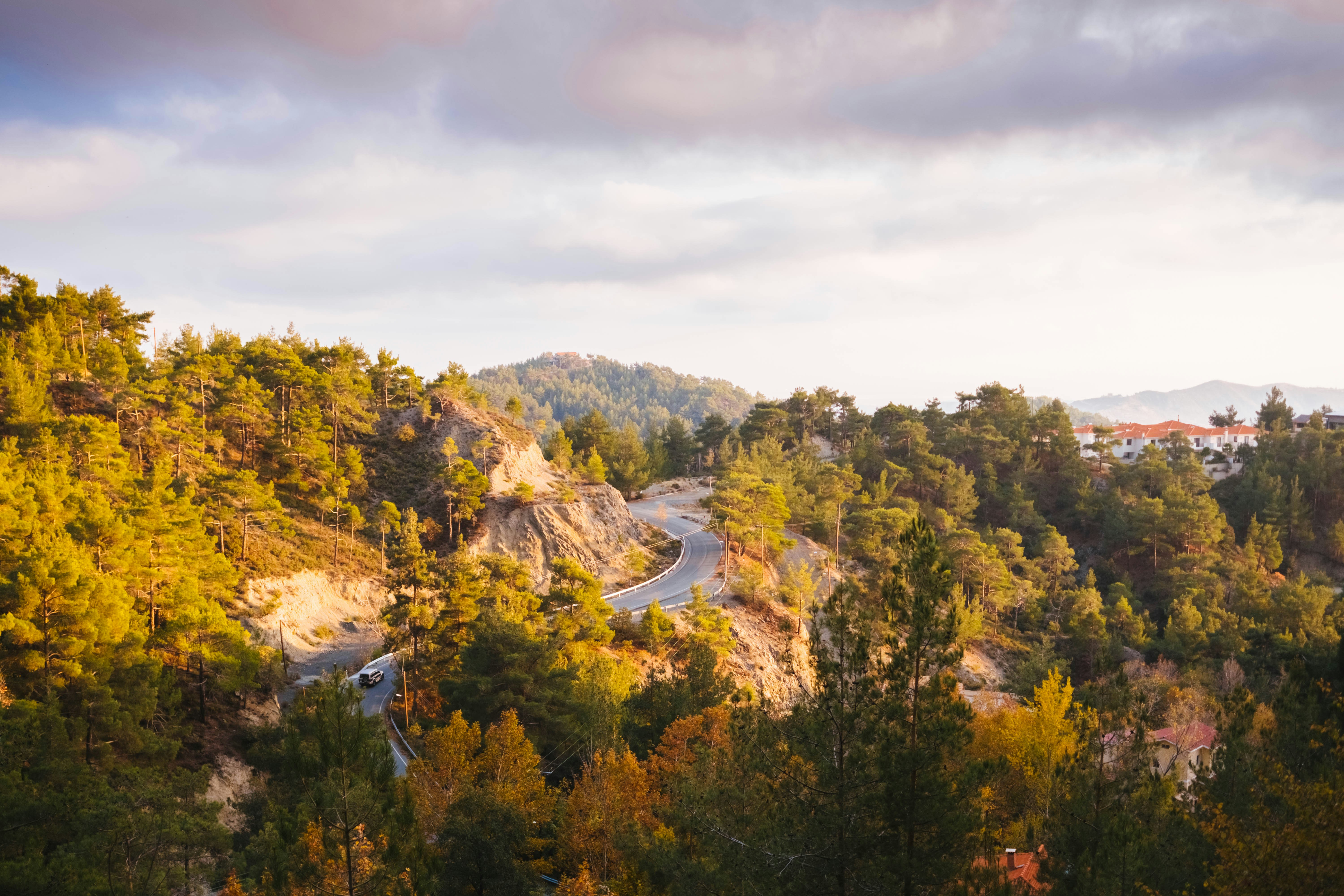
Cyprus is a prime example of how a destination can embrace sustainability and responsible travel practices while offering diverse and enriching experiences to visitors. Its focus on preserving natural resources, supporting local communities, and promoting eco-friendly options for travelers makes it a top choice for those seeking an unforgettable and sustainable travel experience. By visiting Cyprus and engaging in its eco-tourism initiatives, travelers can contribute to the island’s ongoing efforts to protect its natural and cultural heritage for future generations.
Rideo Group prides itself on its sustainable practices in Cyprus. So, if you wish to make this island your forever home, click here.