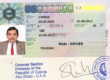


What Foreign Workers Need to Know About Cyprus Seasonal Work Permits
As labour shortages continue affecting industries across Europe, Cyprus has increasingly relied on foreign workers to support sectors that depend heavily on seasonal demand. Tourism, agriculture, hospitality, and related industries experience major workforce fluctuations throughout the year, especially during peak seasons, creating strong demand for temporary labour from abroad.
To regulate this process and protect both employers and workers, Cyprus operates a structured Seasonal Work Permit system under European Union legislation.
The Cyprus Seasonal Work Permit allows eligible third-country nationals to legally enter and work in Cyprus for a limited period in sectors that are officially recognized as seasonal industries.
However, while the process may appear straightforward, seasonal work applications involve strict timelines, employer obligations, permit limitations, and immigration rules that both workers and employers must understand carefully.
This guide explains everything you need to know about seasonal work permits in Cyprus in 2026, including eligibility, duration limits, application procedures, fees, renewals, employer changes, worker protections, and common mistakes to avoid.
What Is Seasonal Work in Cyprus?
Seasonal work refers to employment activities that depend directly on changes in seasons and fluctuating economic demand during certain periods of the year.
In Cyprus, the sectors classified as seasonal are officially determined through a decree issued by the Council of Ministers.
These sectors commonly include:
- Tourism and hospitality
- Hotel operations
- Restaurants and catering
- Agriculture and farming
- Food production
- Certain tourism-related services
The purpose of the system is to help employers address temporary labour shortages during high-demand periods while maintaining legal immigration control and worker protections.

Why the Introduced Seasonal Work Rules
The Cyprus Seasonal Work Permit framework is based on:
Directive 2014/36/EU AKA Funny Named Law
This European Union directive was introduced to:
- Address labour shortages across Europe
- Support economic growth
- Create flexible migration policies
- Protect seasonal workers from exploitation
The EU also recognized several long-term demographic challenges, including:
- Ageing populations
- Low birth rates
- Labour shortages in seasonal industries
As a result, the directive created a common legal framework regulating:
- Entry conditions
- Residence permits
- Worker protections
- Employer responsibilities
Cyprus implemented this directive through the:
Aliens and Immigration Law of 2017
This law now governs the seasonal work permit system within the Republic.
Who Can Apply for a Seasonal Work Permit?
The permit is designed specifically for:
Third-country nationals
This means individuals who are:
- Not citizens of Cyprus
- Not citizens of the European Union
- Not citizens of the European Economic Area (EEA)
Applicants must:
- Receive a valid employment offer in an approved seasonal sector
- Meet immigration requirements
- Be sponsored by an employer in Cyprus
Unlike some residency categories, workers cannot independently apply for seasonal work authorization without employer involvement.
Maximum Duration of Stay
One of the most important rules under the Cyprus seasonal work system is the strict limitation on duration.
Maximum Stay Rule
Seasonal workers may:
Work and stay in Cyprus for a maximum of 8 months within any 12-month period
This limitation is strictly enforced.
Once the maximum permitted period has been reached:
- The worker must leave Cyprus
- Unless another residence permit category is approved under separate immigration legislation

The 6-Year Seasonal Work Limitation
Another major restriction often overlooked by workers is the long-term participation limit.
A third-country national:
Cannot apply for seasonal work if they already completed 6 years of seasonal residence and employment in Cyprus
This rule was introduced to ensure that seasonal work remains temporary in nature rather than becoming a long-term substitute for permanent migration pathways.
Workers approaching this limit should explore other possible residence categories if they wish to remain in Cyprus legally.
When Is an Entry Permit Required?
The type of authorization depends on the intended duration of employment.
Seasonal Work Over 90 Days
If the seasonal employment period exceeds:
90 days
The worker must obtain:
- An entry permit
- A temporary residence and work permit
This process must be completed before legal employment begins.
Who Submits the Application?
A key aspect of the Cyprus seasonal work system is that:
The employer submits the application
Applications are filed while:
- The worker is still abroad
The employer submits the application through the designated immigration application submission offices.
This means the process begins before the worker arrives in Cyprus.
Application Examination Time
Applications are typically examined within:
90 days
However, this timeline only applies if:
- The application is fully completed
- All required documents are submitted properly
If documents are missing:
- The 90-day countdown starts only after the file becomes complete
This is why accurate preparation is extremely important.
Entry Into Cyprus
Once the entry permit is approved:
- The worker may legally travel to Cyprus
Upon arrival, the worker must present:
- The approved entry permit
- A valid travel document or passport
Without both documents, entry may be denied.
Biometric Data Requirements
Within:
7 days of arrival
The worker must complete:
- Temporary residence permit procedures
- Biometric data collection
- Signature registration
Biometric collection includes:
- Photograph
- Fingerprints
This process is mandatory for:
- Initial permits
- Renewals
- Change of employer applications
Biometric data may be collected:
- During application submission
or - Shortly afterward at the District Immigration Unit of the Police
Fees and Government Charges
Applicants and employers must budget for several official fees.
Initial Seasonal Work Permit Fees
If No ARC Exists:
- Registration, entry permit, and permit issuance: €170
If ARC Already Exists:
- Entry permit and permit issuance: €100
Contract Stamp Duty
Employment contracts must also be:
Officially stamped
The exact amount depends on:
- Contract value
- Salary amount
Stamp duties are paid through the Tax Department.
Failure to properly stamp employment contracts may create legal or administrative issues.
Renewal of Seasonal Work Permits
Seasonal workers may apply to extend their stay provided they remain within the legal maximum duration.
Renewal Conditions
Renewals are allowed if:
- Seasonal work conditions continue to be met
- Maximum stay limits are respected
- The worker remains legally employed
Renewal Application Process
Renewal applications are submitted through:
- Immigration application submission offices
Applicants must again provide:
- Supporting documents
- Updated employment contracts
- Biometric data
Renewal Fees
Renewal Under Same Employer:
- €85
Additional stamp duties may also apply to updated employment contracts.
Change of Employer Rules
In certain situations, seasonal workers may change employers while remaining under the seasonal work framework.
However:
- Legal procedures must still be followed
- Maximum duration rules still apply
This flexibility is especially important in industries where seasonal staffing needs can shift quickly.
Change of Employer Application
To legally change employers:
- A new application must be submitted
- Immigration approval is required
Workers cannot simply switch jobs informally.
Applications are again reviewed within approximately:
90 days
Provided all documentation is properly submitted.
Fees for Change of Employer
Seasonal Permit Renewal Due to Employer Change:
- €85
Employment contracts must also be properly stamped.

Rights and Protections for Seasonal Workers
One of the key purposes of EU seasonal work legislation is preventing worker exploitation.
The law includes protections relating to:
- Legal employment conditions
- Defined work periods
- Residence rights during validity period
- Regulated employer sponsorship
This framework helps ensure seasonal workers are not subjected to illegal or abusive labour conditions.
Common Mistakes Seasonal Workers Make
Many applications face delays or complications due to avoidable mistakes.
Incomplete Documentation
Missing paperwork is one of the biggest causes of delays.
Applications must include:
- Fully completed forms
- Correct supporting documents
- Valid contracts
Late Biometric Registration
Workers sometimes fail to complete biometrics within the required 7-day timeframe after arrival.
This can create immigration complications.
Exceeding Maximum Stay Limits
The 8-month limit is strict.
Overstaying can affect:
- Future applications
- Re-entry possibilities
- Immigration history
Informal Employer Changes
Changing employers without approval may place the worker in illegal status.
Can Seasonal Workers Transition to Other Residency Permits?
A common question among seasonal workers in Cyprus is whether it is possible to extend their stay beyond the seasonal work framework or transition into another type of residence permit.
The answer is yes—but only under specific legal conditions.
Seasonal Work Does Not Automatically Lead to Long-Term Residency
It is important to understand that the seasonal work permit is strictly temporary. It does not:
- Grant permanent residence rights
- Automatically convert into other permits
- Guarantee long-term stay eligibility
Once the maximum allowed duration is reached, the worker must leave Cyprus unless a separate legal basis for residence is approved.
Switching to Another Immigration Category
In some cases, individuals may apply for a different type of residence permit while still complying with immigration law. This depends entirely on eligibility under other categories, such as:
- Employment in a non-seasonal role
- Study permits
- Family reunification
- Other residence schemes under Cypriot immigration law
However, each category has its own strict requirements and must be applied for separately.
Important Legal Limitation
A key rule to understand is that:
- You cannot remain in Cyprus simply by repeating seasonal applications indefinitely
- The 6-year seasonal work cap prevents long-term reliance on this system
This ensures that seasonal work remains a temporary labour solution rather than a migration pathway.
Strategic Planning for Workers
For individuals who wish to remain in Cyprus long-term, seasonal work should be viewed as:
- A temporary employment opportunity
- A way to gain initial experience in Cyprus
- A potential stepping stone (but not a guarantee)
Workers who plan ahead often explore alternative legal pathways early, rather than waiting until the seasonal limit is reached.
Why Cyprus Continues to Depend on Seasonal Workers
Seasonal foreign workers play a major role in supporting Cyprus’s economy.
Industries such as tourism and hospitality experience massive increases in demand during peak periods, especially:
- Summer tourism seasons
- Holiday periods
- Agricultural harvest cycles
Without seasonal workers, many businesses would struggle to operate efficiently during high-demand months.
The system therefore benefits:
- Employers
- The economy
- Workers seeking temporary international employment opportunities
Regulations and Working Conditions Seasonal Workers Should Be Aware Of
Although the Cyprus seasonal work system is designed to meet temporary labour needs, it is also governed by strict European and national regulations aimed at protecting workers from exploitation and ensuring fair working conditions.
Seasonal workers in Cyprus are not outside the legal system; they are fully covered by employment and immigration law for the duration of their permit. This means that both employers and employees must comply with specific obligations.
Employment Contract Protection
Every seasonal worker must have a legally valid employment contract that clearly states:
- Working hours
- Salary or wage structure
- Job description
- Duration of employment
- Employer responsibilities
This contract is not optional. It forms the legal basis of the worker’s stay in Cyprus and must be stamped and registered accordingly. Any deviation from the agreed terms may be considered a violation of employment law.
Working Hours and Conditions
Seasonal work in Cyprus, particularly in tourism and hospitality, can be physically demanding due to high seasonal demand. However, employers are still required to respect legal working conditions, including:
- Regulated working hours
- Rest periods
- Overtime rules (where applicable)
- Safe working environments
While peak season workloads may be intense, workers still retain legal protections under Cypriot labour regulations.
Salary and Payment Obligations
Employers are required to pay workers according to the terms stated in the employment contract. Wages must be:
- Clearly defined in advance
- Paid within agreed timelines
- In compliance with Cyprus labour standards
Late or incomplete payments can be reported to the relevant authorities.
Access to Legal Protection
Seasonal workers have the right to:
- Report abusive or illegal working conditions
- Seek assistance from labour authorities
- Request legal clarification regarding their employment status
This protection is part of the broader EU framework designed to prevent exploitation of third-country workers in temporary employment schemes.

How To Even Start This Whole Process?
Seasonal work permit procedures in Cyprus involve multiple legal and administrative steps that must be handled correctly.
Rideo Group assists employers and third-country nationals with:
- Seasonal work permit applications
- Entry permit procedures
- Document preparation
- Employment contract compliance
- Permit renewals
- Change of employer applications
- Immigration guidance throughout the process
Their team helps ensure applications are properly structured, compliant with Cyprus immigration law, and submitted correctly to reduce unnecessary delays.
Why Seasonal Work in Cyprus Appeals to Many Foreign Workers
For many third-country nationals, seasonal work in Cyprus offers an opportunity to:
- Earn income legally in Europe
- Gain international work experience
- Access temporary employment opportunities
- Work in tourism-driven industries
- Experience life in a Mediterranean country
Cyprus remains particularly attractive due to:
- Strong tourism industry
- Warm climate
- English-speaking work environments in many sectors
- Consistent seasonal labour demand
Although seasonal work permits are temporary by nature, they continue to provide important opportunities for both employers and foreign workers each year.
Final Thoughts
The Cyprus Seasonal Work Permit system is designed to balance labour market needs with structured immigration control and worker protection.
While the process may initially seem simple, strict compliance with timelines, permit limitations, biometric requirements, and employer procedures is essential.
Understanding the rules surrounding:
- Maximum stay periods
- Renewals
- Employer changes
- Legal employment conditions
can help both workers and employers avoid costly mistakes and immigration complications.
As Cyprus continues strengthening its tourism and seasonal industries, seasonal work permits remain an important pathway supporting both economic growth and temporary international employment opportunities in 2026.
Disclaimer:
The information in this article reflects the legal framework and practical realities as of 2026. Laws and procedures may evolve. For up-to-date advice tailored to your case, we recommend booking a consultation with Rideo Group’s expert team.