

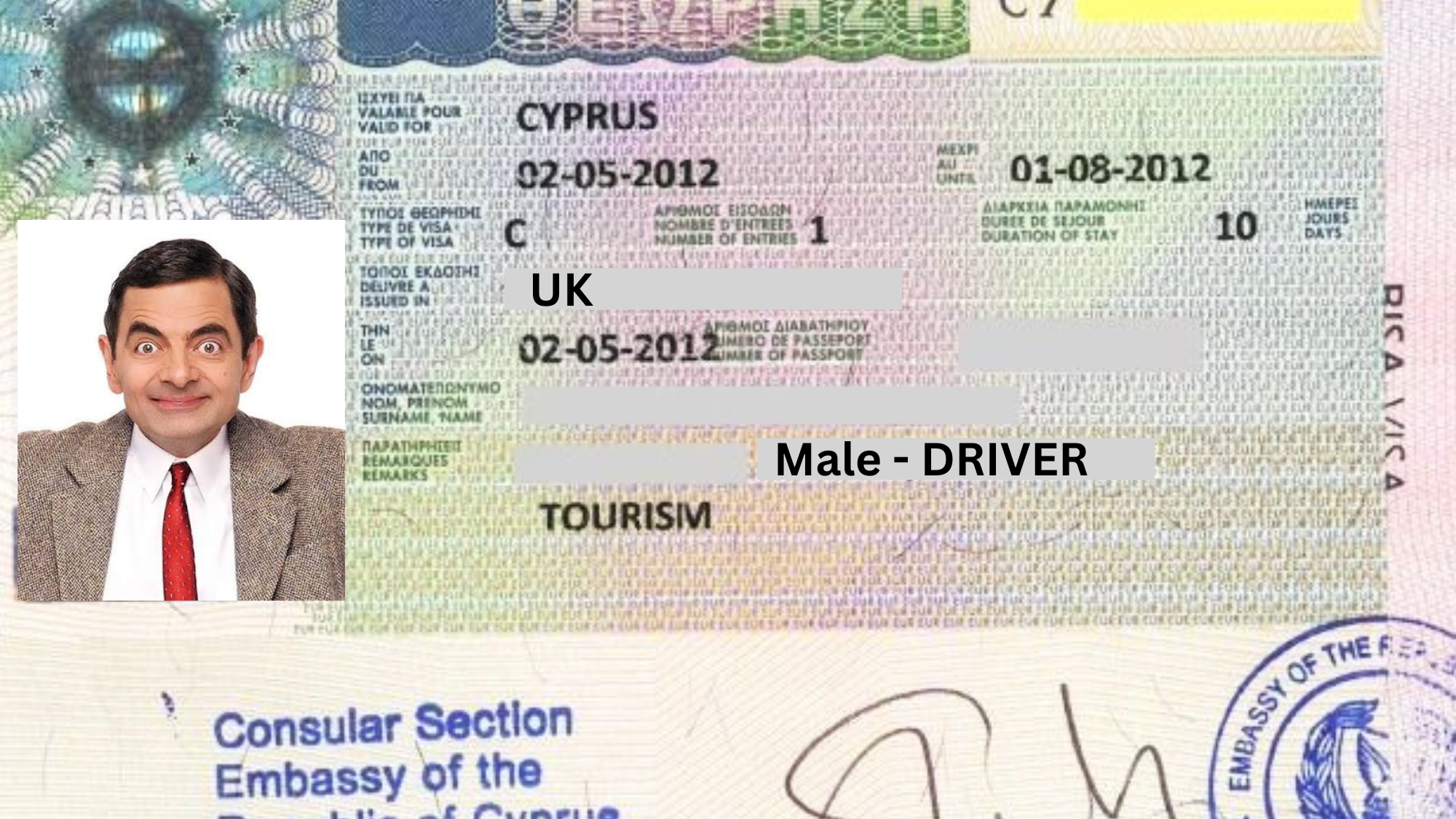
Cyprus Visitor Visa vs Tourist Visa: The Differences You Need to Know
One of the biggest misconceptions people have is believing that a Visitor Visa and a Tourist Visa are the same thing.
They are not.
In fact, these two visa categories are completely different in terms of purpose, eligibility, duration, application process, legal rights, and the government authority that issues them.
Every year, thousands of people contact immigration consultants asking for a “tourist visa” when what they actually need is a Visitor Visa (temporary residence permit). Others arrive in Cyprus on a tourist visa believing they can simply remain in the country indefinitely, only to discover that they must leave once their permitted stay expires.
This confusion can result in delayed applications, unnecessary travel expenses, and in some cases, immigration complications that could have easily been avoided.
This guide explains exactly what each visa is, who issues it, what rights it provides, and how to determine which one is appropriate for your situation.
Why So Many People Get Confused
The word “visitor” sounds similar to “tourist.”
Many countries even use these terms interchangeably.
Cyprus, however, does not.
Within Cyprus immigration law, a Visitor Visa refers to a temporary residence permit that allows an eligible third-country national to legally reside in the Republic of Cyprus.
A Tourist Visa, on the other hand, is simply permission to enter Cyprus for tourism or short-term visits.
Although both involve entering Cyprus, their legal purpose is entirely different.
Think of it this way:
A tourist visa allows you to visit Cyprus.
A visitor visa allows you to live in Cyprus.
That single distinction changes everything.
What Is a Cyprus Visitor Visa?
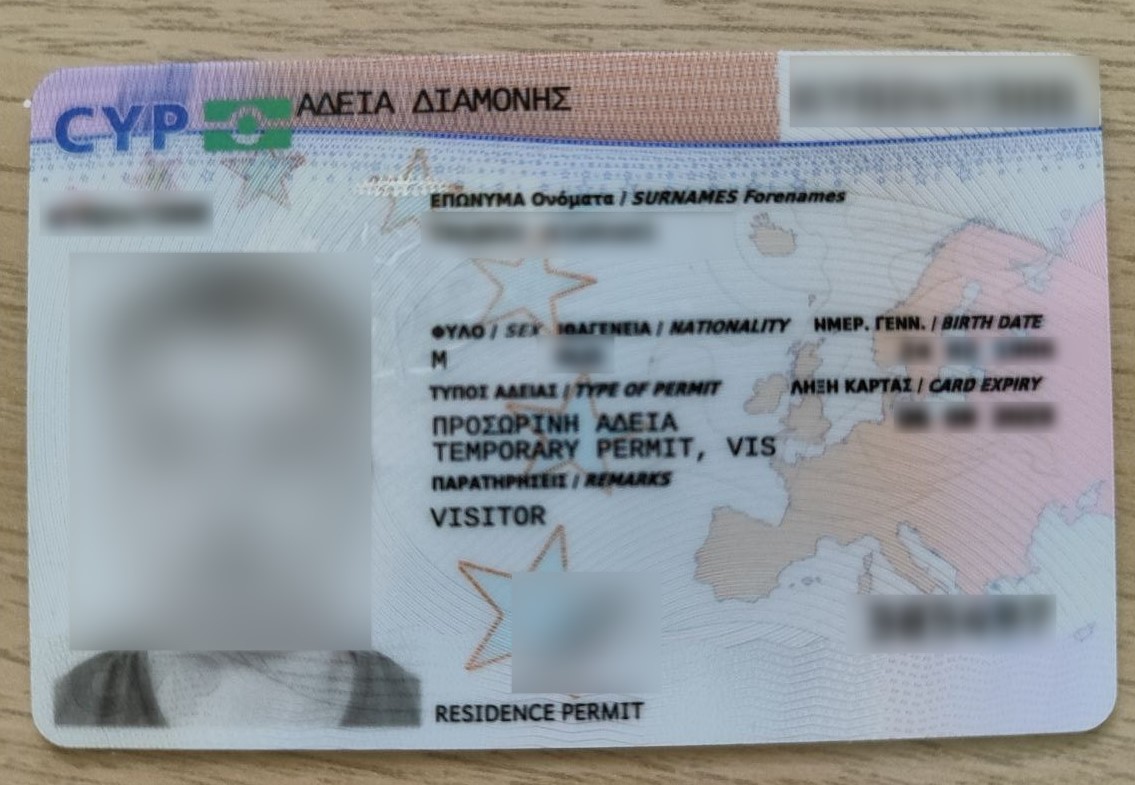
A Cyprus Visitor Visa is a temporary residence permit issued by the immigration authorities in the Republic of Cyprus.
Unlike a tourist visa, it is not merely an entry permit.
Instead, it grants lawful residence within Cyprus for an approved period, typically one year, after which it can usually be renewed provided the applicant continues to satisfy the relevant requirements.
This residence permit is intended for individuals who wish to reside in Cyprus without engaging in employment.
Many applicants choose this route because they want to enjoy Cyprus’ lifestyle, climate, safety, healthcare, and strategic location while supporting themselves through income earned outside Cyprus or other qualifying financial means.
The Visitor Visa Is Issued Inside Cyprus
One of the biggest differences is who issues the permit.
A Visitor Visa is issued by the Cyprus immigration authorities after an application has been submitted together with all required supporting documentation.
Unlike a tourist visa, the process involves a full immigration application rather than simply requesting permission to travel.
Applicants must comply with various legal and administrative requirements before approval can be granted.
Biometrics Are Required
Another major distinction is that Visitor Visa applicants must provide biometric information.
This includes:
- Fingerprints
- Photograph
- Signature
These biometrics become part of the applicant’s official immigration record.
A tourist visa application generally does not result in a residence card issued in Cyprus, whereas Visitor Visa holders receive documentation evidencing their lawful residence.
Financial Requirements
One of the key eligibility criteria for a Visitor Visa is demonstrating sufficient financial resources.
Applicants are generally expected to prove an annual income of at least €24,000, together with any additional financial evidence required under the applicable immigration procedures.
The purpose of this requirement is to demonstrate that the applicant can support themselves during their stay without relying on employment in Cyprus.
The authorities want reassurance that the applicant has adequate financial means to reside in the Republic without becoming financially dependent on the state.
Supporting Documentation
Obtaining a Visitor Visa requires considerably more documentation than applying for a tourist visa.
Although individual circumstances differ, applicants are commonly required to submit documents such as:
- Proof of annual income
- Bank statements
- Bank account documentation
- Rental agreement or proof of accommodation
- Passport
- Health insurance
- Application forms
- Passport photographs
- Additional supporting documentation requested by the authorities
Each application is assessed individually, and additional documents may be requested depending on the applicant’s circumstances.
A Visitor Visa Is a Residence Permit
This is probably the most important point to understand.
A Visitor Visa is not simply permission to enter Cyprus.
It is permission to reside in Cyprus.
That means the holder can legally live in Cyprus throughout the validity of the permit, provided they continue complying with the applicable conditions.
This is why the Visitor Visa is commonly referred to as a residence permit.

What Is a Cyprus Tourist Visa?
A Tourist Visa serves an entirely different purpose.
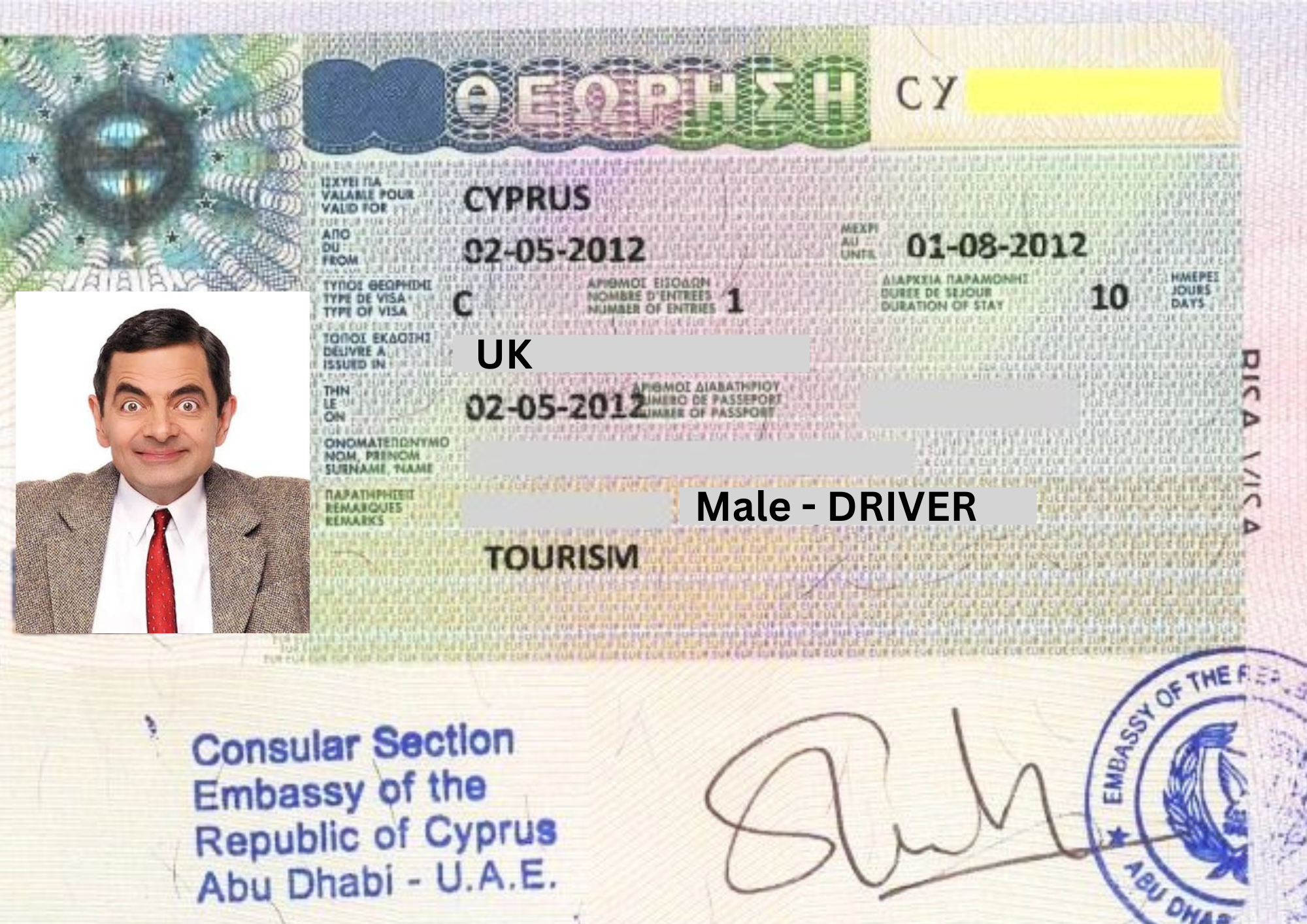
It is an entry visa issued by a Cyprus embassy or consulate abroad.
Its sole purpose is to allow a foreign national to travel to Cyprus temporarily.
It does not grant residence rights.
It does not provide immigration status as a resident.
It does not allow someone to establish residence in Cyprus.
Instead, it simply permits travel for tourism, holidays, family visits, or other short-term purposes permitted under the visa.
Tourist Visas Are Issued Abroad
Unlike a Visitor Visa, which is issued by the immigration authorities within Cyprus, a Tourist Visa is generally issued by the Cyprus Embassy or Consulate in the applicant’s country of residence or country of origin before travelling.
This distinction is extremely important.
If someone contacts Rideo Group asking for assistance obtaining a Tourist Visa, the answer is unfortunately straightforward.
Tourist visas are issued by Cyprus diplomatic missions abroad, not by immigration consultants within Cyprus.
Types of Tourist Visas
Tourist visas are commonly issued as either:
- Single-entry visas
- Multiple-entry visas
A single-entry visa allows entry once.
A multiple-entry visa allows multiple entries during its period of validity, provided the visa conditions are respected.
Regardless of whether the visa permits one entry or multiple entries, it still does not become a residence permit.
A Tourist Visa Does Not Make You a Resident
This is another area where confusion frequently arises.
Someone entering Cyprus with a tourist visa remains exactly that:
A visitor for tourism purposes.
The visa does not convert into residence status simply because the individual spends time in Cyprus.
Holding a tourist visa does not mean someone has legal residence rights.
It simply means they have permission to enter the country for a temporary stay under the conditions of that visa.
Can You Work?
This is another important distinction.
A Visitor Visa does not provide employment rights.
Its purpose is to allow residence, not employment.
Likewise, a Tourist Visa also does not provide employment rights.
However, the difference lies in what each document is designed to achieve.
A Visitor Visa allows lawful residence without employment.
A Tourist Visa allows temporary entry only.
Neither should be confused with a work permit or employment residence permit.
Comparing the Two
The easiest way to understand the distinction is by comparing them directly.
| Visitor Visa | Tourist Visa |
| Residence permit | Entry visa |
| Issued by Cyprus immigration authorities | Issued by Cyprus Embassy or Consulate abroad |
| Usually valid for one year | Valid according to visa conditions |
| Requires biometrics | Does not result in a Cyprus residence permit |
| Requires financial evidence | Primarily an entry authorisation |
| Requires accommodation evidence | Intended for short visits |
| Allows lawful residence | Does not grant residence rights |
| Does not allow employment | Does not allow employment |
Although both relate to entering Cyprus, they serve completely different legal functions.
Common Mistakes People Make
Many applicants accidentally use the wrong terminology when seeking immigration advice.
For example, someone may say:
“I want a tourist visa because I want to live in Cyprus.”
In reality, what they actually require is a Visitor Visa.
Others may believe that obtaining a tourist visa automatically gives them permission to remain in Cyprus indefinitely.
Unfortunately, this is incorrect.
A tourist visa has a specific purpose and validity period.
It cannot simply replace a residence permit.
Another common misunderstanding involves renewing status.
A Visitor Visa may generally be renewed where the relevant requirements continue to be met.
A Tourist Visa does not operate in the same way because it is an entry authorisation rather than a residence permit.
Understanding these differences before making plans can save considerable time, money, and frustration.
Which One Do You Need?
The answer depends entirely on your objective.
If you simply wish to visit Cyprus for a holiday, sightseeing, or a short family visit, then a Tourist Visa (where required based on nationality) may be the appropriate route.
If, however, your intention is to legally reside in Cyprus for an extended period without employment, then the Visitor Visa may be the appropriate option, provided you satisfy the applicable eligibility criteria, including the financial requirements and supporting documentation.
Choosing the wrong route can delay your plans significantly.
That is why obtaining professional guidance before submitting an application is always advisable.
How Rideo Group Can Help
At Rideo Group, we regularly assist individuals and families wishing to relocate to Cyprus through the Visitor Visa process.
Our team can guide applicants through every stage of the application, including preparing the required documentation, reviewing eligibility, organising supporting evidence, and assisting with the residence permit application submitted to the Cyprus immigration authorities.
However, it is important to clarify one point.
Rideo Group does not obtain Tourist Visas.
Tourist Visas are issued exclusively by the relevant Cyprus Embassy or Consulate abroad.
If your nationality requires a tourist visa to enter Cyprus, your application must be submitted through the appropriate diplomatic mission responsible for your country.
Once you are in Cyprus and your circumstances require a residence application, we can advise on the immigration options available, where applicable.
Final Thoughts
Although the names sound similar, a Cyprus Visitor Visa and a Cyprus Tourist Visa are fundamentally different legal documents designed for entirely different purposes.
A Visitor Visa is a temporary residence permit issued by the Cyprus immigration authorities. It typically involves submitting a comprehensive application, providing biometrics, demonstrating an annual income of at least €24,000, showing proof of accommodation through a rental agreement, maintaining appropriate banking documentation, and satisfying various other immigration requirements. Most importantly, it allows you to legally reside in Cyprus, although it does not grant the right to work.
A Tourist Visa, by contrast, is simply an entry visa issued by a Cyprus Embassy or Consulate abroad. It may be granted as a single-entry or multiple-entry visa and is intended solely for temporary travel. It does not provide residence rights, does not establish legal residency, and does not permit employment or long-term residence in Cyprus.
Understanding this distinction is essential before making relocation plans. Using the correct immigration route from the outset can help you avoid unnecessary delays, rejected applications, and costly mistakes.
If your goal is to relocate and establish lawful residence in Cyprus, the Visitor Visa may be the appropriate pathway. If you only intend to visit for a short stay, then a Tourist Visa—where required for your nationality—is the correct option.
Knowing the difference is the first step toward making your move to Cyprus as smooth and stress-free as possible, and with the right professional guidance, the process becomes significantly easier.
Disclaimer:
The information in this article reflects the legal framework and practical realities as of 2026. Laws and procedures may evolve. For up-to-date advice tailored to your case, we recommend booking a consultation with Rideo Group’s expert team.