

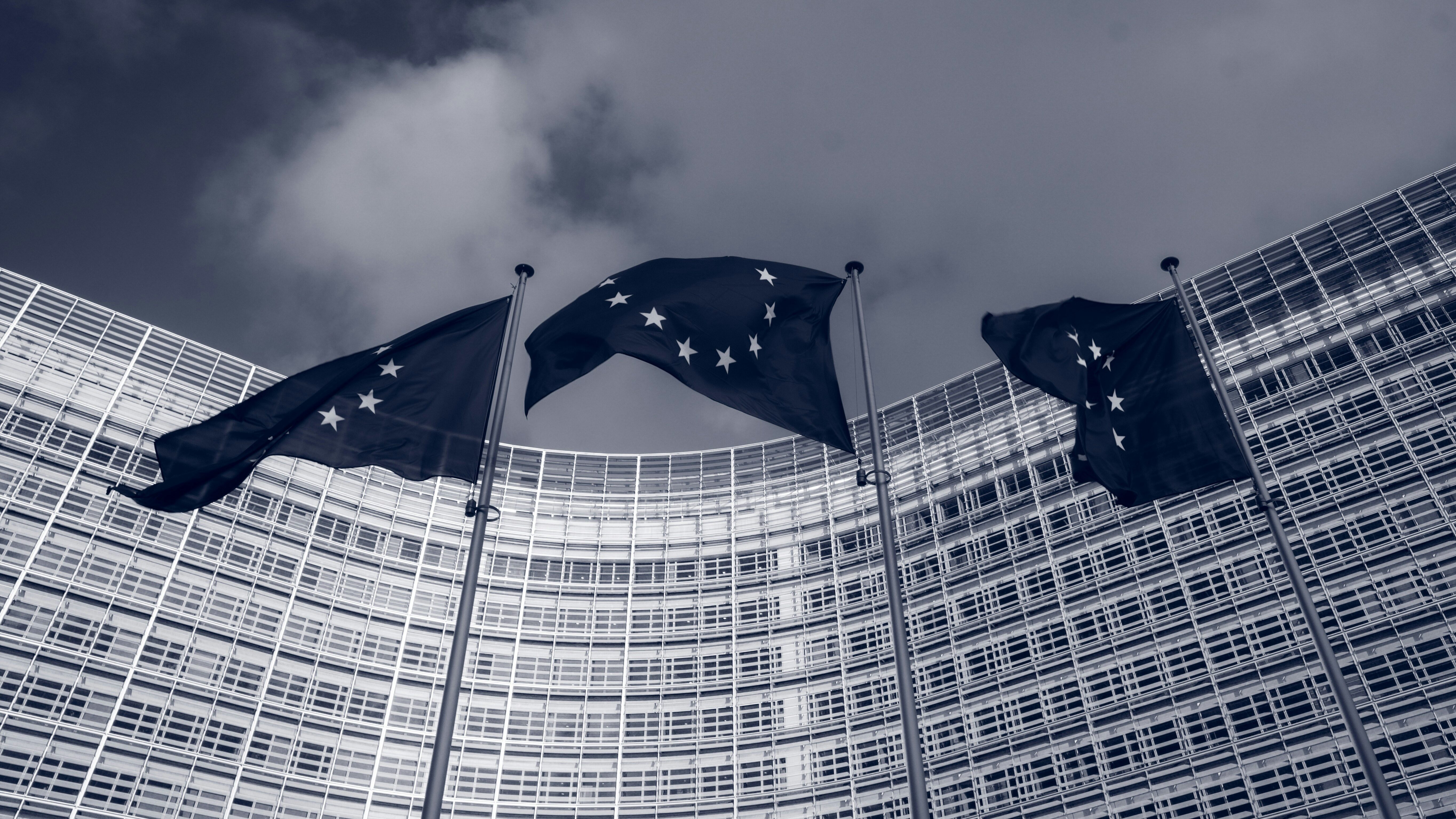
Ever wondered about the requirements that countries must meet to have an EU membership? Just when it seemed the European Union was fully established, discussions about new potential members are stirring things up.
Moldova and Ukraine’s Aspirations to Join the Adults’ Table
As the European Union embarks on years of talks aimed at expanding its membership, Moldova and Ukraine find themselves on a historic journey towards integration with the bloc. Moldovan President Maia Sandu, a pivotal figure in her country’s European aspirations, has set an ambitious target to join the EU by 2030. However, this goal is fraught with challenges and a lengthy process that requires substantial reforms and alignment with EU standards. The prospect of EU membership is a beacon of hope and a symbol of progress for both Moldova and Ukraine, promising economic development, stability, and a closer connection to the European community.
Chisinau: A City at the Crossroads of History and Modernity
Chisinau, the capital of Moldova, embodies the country’s complex history and its aspirations for the future. The city exudes a European ambiance with its vibrant culture, energetic youth, and beautiful nature. Yet, Chisinau’s architecture serves as a reminder of its Tsarist, Romanian, and Soviet past, blending with the dynamic spirit of its present.
With a population of 2.6 million, Moldova is one of Europe’s smallest countries, and about one in five Moldovans reside in the capital. Despite its size, Moldova has a significant presence in European discussions, largely due to President Maia Sandu’s high standing among EU leaders. Fluent in English and French, Sandu often travels to EU summits in economy class, dressed casually in jeans and trainers, reflecting her down-to-earth approach and strong commitment to European integration.

EU Membership Criteria
Countries aspiring to join the European Union must navigate a rigorous and comprehensive process that ensures they meet the EU’s stringent standards. The accession process is guided by the Copenhagen criteria, established in 1993, which outline the essential conditions for membership:
- Stable Institutions Guaranteeing Democracy, the Rule of Law, Human Rights, and Respect for and Protection of Minorities: Aspiring members must demonstrate a stable democratic system with transparent institutions that uphold the rule of law and human rights.
- Functioning Market Economy and the Capacity to Cope with Competitive Pressure and Market Forces within the Union: Candidate countries need a robust and competitive market economy that can integrate seamlessly with the EU’s internal market.
- Acceptance of the Community Acquis: This entails adopting and implementing the entire body of EU laws and regulations, known as the acquis communautaire, which covers policies ranging from environmental protection to consumer rights and labor laws.
- Administrative and Institutional Capacity to Effectively Implement the Acquis: Prospective members must have the necessary administrative structures and institutions to enforce EU laws and standards.
The accession process involves multiple stages, starting with an application for membership, followed by a thorough evaluation by the European Commission. If the application is accepted, the candidate country enters into negotiations that cover 35 chapters, each addressing different areas of EU policy. These negotiations are intricate and require significant reforms in various sectors. Once negotiations are successfully concluded, the accession treaty is signed and must be ratified by all current EU member states and the candidate country.

Cyprus Made it
Cyprus’s Path to EU Membership
Cyprus’s journey to EU membership is a testament to the transformative power of the accession process. The Mediterranean Island, applied for membership in 1990 and began accession negotiations in 1998. The path to joining the EU required Cyprus to undertake extensive reforms to align its institutions, economy, and legal framework with EU standards.
One of the most challenging aspects of Cyprus’s accession was addressing the division of the island. Since 1974, Cyprus has been partitioned into the Republic of Cyprus in the south and the Turkish Republic of Northern Cyprus, recognized only by Turkey, in the north. The EU accession process intensified efforts to find a political solution to the island’s division, culminating in the Annan Plan for reunification, which was ultimately rejected by Greek Cypriots in a 2004 referendum.
Despite this setback, Cyprus continued its reforms and successfully met the Copenhagen criteria. The country implemented significant changes in its judicial system, enhanced the protection of human rights, and established a stable market economy. On May 1, 2004, Cyprus officially joined the European Union, marking a new chapter in its history.
EU membership has brought substantial benefits to Cyprus, including economic growth, increased foreign investment, and greater political stability. The country’s integration into the EU’s single market has boosted its trade and tourism sectors, contributing to overall prosperity.

Navigating Immigration
For individuals and businesses seeking to navigate the complexities of immigration, visas, entry permits, and more, Rideo Group stands out as a specialized immigration agency with a wealth of expertise. Whether you are planning to relocate to Cyprus or require assistance with other immigration-related matters, Rideo Group offers comprehensive services to facilitate a smooth and efficient process.
Their services extend beyond basic immigration assistance. They provide personalized support for civil marriages, ensuring all legal requirements are met for a seamless and stress-free experience. The agency’s team of experienced professionals is well-versed in the intricacies of Cyprus’s immigration laws and procedures, offering tailored solutions that meet the unique needs of each client.
From helping with visa applications to guiding you through the process of obtaining residency permits, Rideo Group is dedicated to making your transition to the beautiful island of Cyprus as straightforward as possible. Their commitment to excellence and customer satisfaction has earned them a reputation as a trusted partner in the field of immigration services.
Conclusion
As Moldova and Ukraine embark on their arduous journey towards European Union membership, the challenges they face are significant, but so are the potential rewards. The prospect of joining the EU represents not only economic and political stability but also a reaffirmation of their commitment to democratic values and the rule of law.
Chisinau, with its blend of historical influences and contemporary vibrancy, symbolizes Moldova’s aspiration to become an integral part of the European family. President Maia Sandu’s leadership and the country’s determination to meet EU standards highlight the transformative potential of the accession process.
The example of Cyprus underscores the profound changes and benefits that EU membership can bring. Through rigorous reforms and a steadfast commitment to meeting EU criteria, Cyprus has achieved economic growth and enhanced its political standing within Europe.
For those navigating the complexities of immigration, agencies like Rideo Group provide invaluable support, ensuring a smooth transition and compliance with all legal requirements. As Moldova and Ukraine look to the future, the path to EU membership remains a challenging but hopeful endeavor, promising a brighter and more integrated European future.
Disclaimer: Although we work hard to deliver accurate and timely information, kindly take note that rules and laws are subject to regular change. It is advised that you speak with our consultants to ensure sure that the information displayed here is accurate and up-to-date.